
 Pearl
Pearl Zylo Ecosystem
 Bitway
 Walrus
 Starknet
 Quantus
 Pudgy Penguins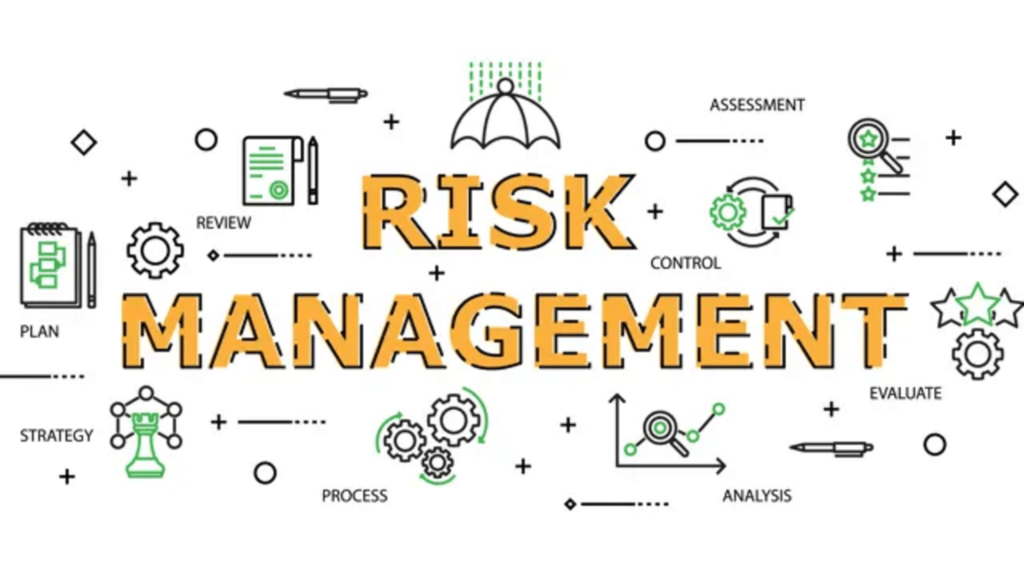
Did you ever wonder how businesses steer through uncertain times without getting off track?
Knowing how to handle risks is a must in the UK’s business world. “Essentials of Risk Management” helps by changing tricky maths into simple strategies. It’s great for people just getting started in the esacademic.com field. This guide teaches about spotting risks, key ideas, and the rules. Professionals looking to be great at handling risks should give it a read.
This book is written by experts in risk management. It talks about dealing with risks in the market, credit, and handling day-to-day tasks. People like it because it’s easy to understand and practical. It’s a good way for anyone to learn more about how to deal with risks in the UK and around the world.
Key Takeaways
- The “Essentials of Risk Management” book simplifies complex topics into practical, understandable concepts.
- It covers key areas such as market, credit, and operational risks.
- Respected experts in the international risk management field authored this guide.
- It focuses on essential organizational and regulatory aspects rather than intricate mathematics.
- This book is highly regarded and serves as an excellent entry point for professionals new to risk management.
Introduction to Risk Management
Risk management helps organizations stay financially stable. They need to spot, check, and deal with risks. This way, they can keep running smoothly and meet their big goals.
Understanding the Basics
First, risk management looks at what might go wrong. It spots things that could mess up the organization’s plans. Then, it figures out how to cope with these troubles. It ensures the company is ready for any challenges.
Importance of Risk Management
Good risk management means making wise choices. At the London School of Business Administration, they teach a lot about this. Their course helps people know how to control different risks, like credit and market risks. Mastering these ideas protects the company’s stuff and its name.
Risk Assessment: Identifying and Analysing Potential Threats
Spotting and thinking about risks is super crucial in managing dangers. The London School of Business Administration teaches all about this. It gives a top-level understanding.
Methods of Risk Assessment
Loads of ways are used in Risk Analysis to find and judge risks. Some are more about talking and thinking, like chats and brainstorms. Others use numbers, like statistics and models. This mix helps in understanding and dealing with different risks in smart ways.
- Qualitative Methods
- Interviews
- Brainstorming Sessions
- SWOT Analysis
- Quantitative Methods
- Statistical Analysis
- Simulation Models
- Fault Tree Analysis
Tools for Risk Analysis
Risk Governance has many tools to check risks in an organized way. These help spot and handle dangers before they hit. Tools you might see used a lot are:
| Tool | Description | Application |
| Risk Matrices | Visual grids that evaluate risks by severity and likelihood. | Helps in prioritising threats. |
| Monte Carlo Simulation | Uses random sampling to understand the impact of risk. | Applied in financial forecasting. |
| Decision Trees | Graphical representation of decisions and their possible consequences. | Assists in choosing the best action to mitigate risk. |
| Failure Mode and Effects Analysis (FMEA) | Proactively identifies potential failure points and their impacts. | Used in product development and manufacturing. |
Keeping an eye on threats through Risk Monitoring is critical. It helps in making quick, smart choices. Using these methods and tools makes handling dangers a more organized process.
Developing Effective Risk Mitigation Strategies
Keeping an organization safe is key. It’s all about managing risks. Enterprises use strategies to face uncertainties. Financial risks are also looked into closely.
Steps for Risk Mitigation
Making places safer involves some key steps:
- Risk Identification: First, look for what could go wrong. Check everything that might threaten safety.
- Risk Assessment: Next, understand how big these risks are. Find out their impact on safety.
- Risk Control Strategies: Then, plan to stop or lessen these dangers.
- Monitoring and Review: Always watch to keep safety plans up to date. Adjust as needed.
Case Studies on Risk Mitigation
Looking at real cases helps a lot. They show how to manage risks well. They tell stories of success and teach us practical ways to keep in control.
The London School of Business Administration is a good example. It teaches students how to deal with risks in real life. That prepares them for their future jobs, making them ready to face any risks ahead.
Implementing a Robust Risk Governance Framework
Creating a robust risk governance framework is necessary for any group wanting to handle risks well. Knowing how to spot risks and plan for them helps an organization create a solid plan that lines up with its goals.
The first big step is to look closely at risks, which is called risk identification. Doing this early helps the group plan to deal with risks before they happen. This planning makes sure the group is ready and makes managing risks easier.
Having a smart risk strategy is also crucial. This plan should fit the group’s long-term aims and follow any rules in place. A good strategy helps deal with surprises and keeps the group going when facing problems.
Using big models and structures is key to a good risk framework. These structures help manage risks in a well-rounded way. They focus on getting better and follow the best methods. It means risks are viewed, judged, and handled similarly across the group.
Here’s a quick overview of what makes a solid risk governance framework:
| Component | Description |
| Risk Identification | Spotting risks early to get ready for them. |
| Risk Strategy | Making detailed plans that match the group’s goals. |
| Risk Governance Models | Frameworks for better and consistent risk management. |
| Regulatory Alignment | Making sure risk management follows the rules. |
A good risk framework ultimately leads to a careful and adaptable working method. It helps groups face new risks with strength and know-how.
The Role of Risk Monitoring and Control in Business
In today’s world, keeping an eye on risks is crucial for companies. The London School of Business Administration looks deeply at this. By watching for risks and being ready, companies can stay safe and perform well.
Continuous Risk Monitoring Techniques
To manage risks well, it’s essential to keep checking on them. It means using advanced tools to spot changes quickly. With the right tech and careful analysis, businesses can stop problems before they grow. Regular checks are key to a strong risk monitoring plan.
Control Measures for Risk Management
Setting clear rules to deal with risks is important. The London School of Business Administration teaches how to make and use these rules. It keeps risks at a safe level and helps reach goals better.
Focusing on both watching and handling risks makes companies stronger. It lets them face market changes with more confidence. This way, they protect what matters most, like their assets and good name. If you want to know more, Daniel Woz has a great blog about trading at CryptoExchangespy.com
Disclaimer: Any information written in this press release or sponsored post does not constitute investment advice. Themarketperiodical and all its authors do not, and will not endorse any information on any company or individual on this page. Readers are encouraged to make their own research and make any actions based on their own findings and not from any content written in this press release or sponsored post. Themarketperiodical.com is and will not be responsible for any damage or loss caused directly or indirectly by the use of any content, product, or service mentioned in this press release or sponsored post.


