Dacity Coin
 astronaut
 streamoors
 Celestia
 NeoSoul
 Sui
Sui Injective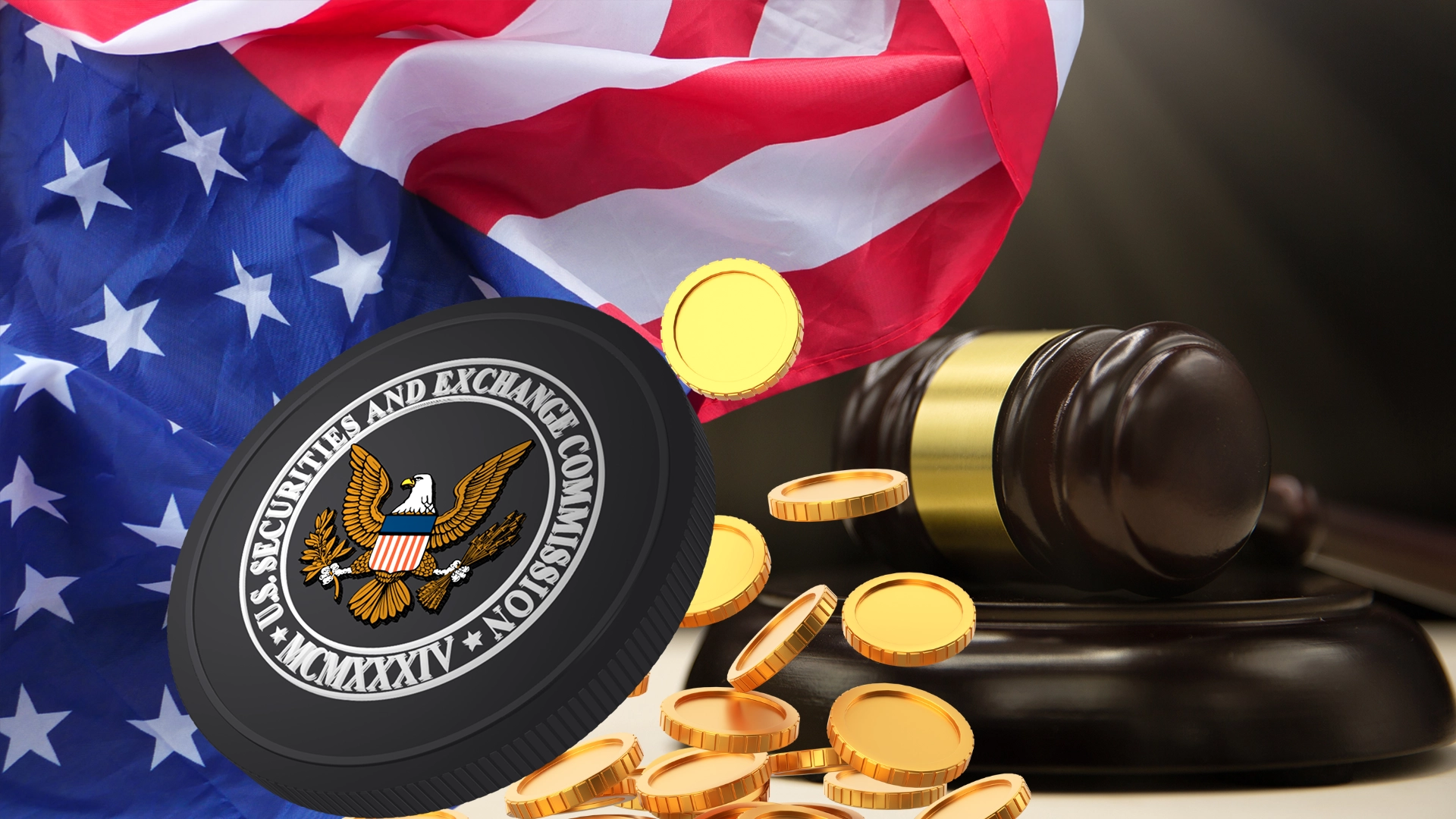
- The SEC leaders and particular congress members are having a hearing on crypto regulation.
- Critics argue that some regulatory shifts may occur after this hearing due to uncertainty in stablecoins and cryptocurrencies.
- The upcoming election and leadership change may trigger such an expected regulatory reset.
Cryptocurrency and stablecoin regulation have continued to be topical. It has remained an area of significant debate in the digital asset space, especially in the United States.
The crypto industry stakeholders have seen the U.S. SEC as hostile. Regarding its functions concerning market regulation, the ongoing hearing is being arranged between the SEC leaders and the U.S. Congress members.
Congressman Emmer Confronts SEC Over Its Regulatory Approach
U.S. Congressman Tom Emmer cross-questioned U.S. SEC Chair Gary Gensler during the congressional hearing. The question was regarding the issues that characterize the crypto regulation.
In particular, Emmer critically pointed out Gensler’s contradictions in stablecoin regulation. The lawmaker said that the SEC had brought several legal proceedings and created confusion in the crypto space.
In his questioning, Emmer accused the SEC of randomly regulating the crypto environment. He further criticized Gensler for developing a new phrase, ‘crypto-asset security.’ This term was introduced solely to regulate a particular area of the digital asset industry.
As for the term, Rep. Emmer argued that it can’t be traced within statutes. It is only a facade to go after the crypto-related entities.
The Republican Congressman proclaimed his worries about Gensler’s vagueness in managing his war against the crypto sector. He also did not like how the regulatory body used enforcement tools.
“Your inconsistencies on this issue have sent this country back. We could not have had a more historically destructive or lawless Chairman of the SEC,” Emmer concluded.
Is stablecoin legislation nearing approval?
More clarity is still required on what would be considered securities to implement this provision. Many projects, like Uniswap in the past, have received warnings from the SEC through Wells Notices. At the same time, stablecoin issuers like TrueCoin have also charged and agreed to settle.
The assets associated with these firms are considered securities, with no exception for stablecoins. As the TrueUSD issuer, the U.S. SEC has sued different cryptos; some are still in the courts.
The ongoing legal fight between the U.S. SEC and Ripple Labs is still a long shadow that looms over the firm and its XRP token. Led by Gensler, the SEC accused Ripple Labs of offering XRP as an unregistered security.
The court decided to fine Ripple Labs $125 Million. However, there still needs to be clarity regarding the regulator’s next course of action.
Another issue of interest for stakeholders in the crypto space is the shift in the definition of securities per SEC standards. Experts consider Gensler’s approach to regulation as hostile to the growth of new technologies in general.
A Look at the Evolution of Global Crypto Regulation
The concept of cryptocurrency has existed since 2009. Despite this, world governments and their agencies have slowly developed standards to regulate its usage.
However, some countries, such as Brazil and Hong Kong, have come a long way. They have made policies regarding the uses of cryptocurrencies.
Some countries, like China, have outrightly prohibited the use of crypto. At the same time, the United Kingdom now accepts crypto assets as legally recognized financial instruments.
In the U.S., the Commodity Futures Trading Commission (CFTC) classified Bitcoin as a commodity in 2015. The SEC vs. Ripple lawsuit, which began in 2020, sparked this argument about whether cryptocurrencies are securities or commodities.
Another significant achievement was the signing of an executive order by US President Joe Biden to promote the use of digital assets. Although it has good intentions toward crypto regulation, the administration has failed in several ways.
Prominently, crypto regulation has come into focus due to the approaching November presidential election in the United States. Similarly, several stakeholders expect a swell in improved management of regulatory oversights from the SEC when there is a change of guard.
Disclaimer
In this article, the views, and opinions stated by the author, or any people named are for informational purposes only, and they don’t establish the investment, financial, or any other advice. Trading or investing in cryptocurrency assets comes with a risk of financial loss.