Bitcoin
 NEAR Protocol
 Pudgy Penguins
 Puffer
 ZKsync
 Bitway
 Pearl
Pearl
- DePIN uses blockchain technology to create a network that is decentralized and democratic.
- Compared to traditional infrastructure systems, they give increased transparency, efficiency, and security.
- DePINs can be improved with the help of IoT and AI technology.
Blockchain technology has prepared a way for many innovations in different industries. one such innovation is called Decentralized Physical Infrastructure Networks (DePIN). DePIN uses principles like decentralization, transparency, and security wants to change how you create, manage, and utilize physical infrastructure in blockchain technology. In this blog, you will see what design is, its advantages, and challenges.
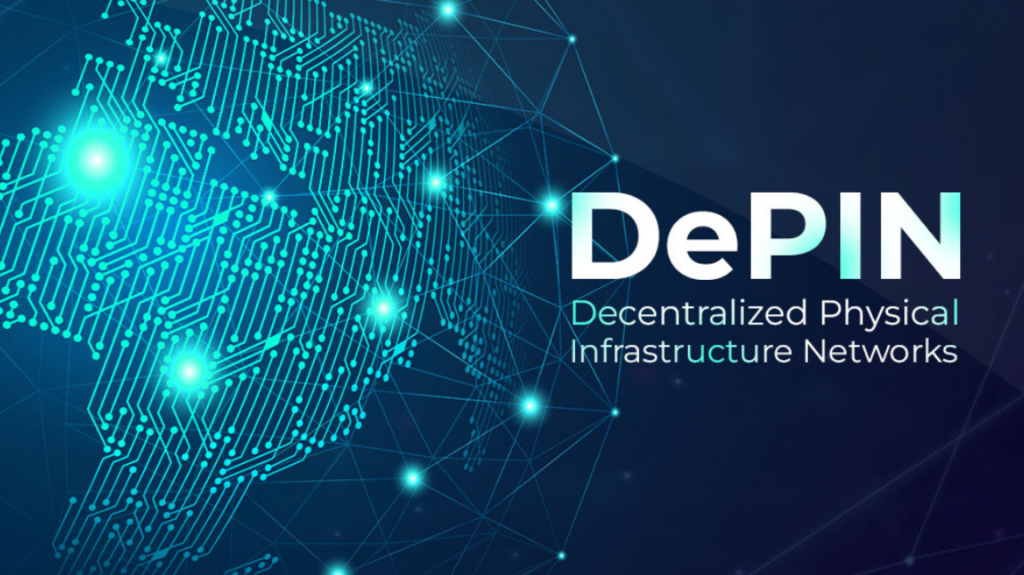
What is a Decentralized Physical Infrastructure Network (DePIN)
Decentralized Physical Infrastructure Network is a system that uses Decentralized Blockchain technology to manage and control physical infrastructure assets. Traditional infrastructure systems depend on a central authority for their management whereas DePIN distributes its control to participants. This increases the efficiency, transparency, and security of the network and reduces the cost.
Key Characteristics
- Decentralization- DePIN is not controlled by any central entity, it is Decentralized. It is managed by all the participants using Blockchain technology.
- Transparency – DePIN increases transparency by recording all the transactions in the public ledger.
- Security – To keep the network secure, a DePIN uses cryptographic technology.
How DePINs Work
DePIN uses Blockchain technology to make networks Decentralized. Following is a breakdown of the process:
- Blockchain Integration: infrastructure assets are mixed with Blockchain networks with the help of different devices, sensors, and technologies.
- Smart Contracts: contracts, where terms are directly written in codes, are used for operating.
- Consensus Mechanisms: participants make use of consensus mechanisms like Proof of Stake (PoS) or Proof of Work (PoW) to agree on the state of the network.
- Decentralized Governance: all the decisions of a network are made by participants through voting or by other governance mechanisms.
Advantages of DePINs
- Efficiency and Cost Reduction – As DePIN is Decentralized, the operational costs that central intermediaries need are removed. It uses smart contracts and a Decentralized process which helps to reduce administrative costs.
- Enhanced Transparency and Accountability- All ransactions are recorded on Blockchain, which brings transparency to transactions and reduces the threat of fraud or corruption.
- Increased Security- To make the platform secure from cyber-attacks,dePINS combines Blockchain security features. All participants must agree to the changes required in the network, this helps to reduce corruption in the network.
Challenges and Risks
- Regulatory uncertainty: The regulations for DePIN are still changing and the government is trying to understand this new system. Regulatory uncertainty can be challenging for adoption and operation. of DePINS.
- Technical Complexity: Advanced technical knowledge and expertise are required for using and maintaining DePIN. As Blockchain technology and Decentralized systems are complicated in nature, many users can have problems.
- Scalability Issues – DePIN can have scalability issues so It is important to make sure, that the network can handle many transactions at once.
The Future of DePINs
- Integration with Traditional Infrastructure: DePINs continue to grow and we anticipate that they can merge with traditional infrastructure systems, to increase efficiency and security.
- Technological Advancements: IoT and AI will help DePIN to develop. Users can have accessible Decentralized infrastructure due to improved scalability, interoperability, and security.
Disclaimer
This article is for informational purposes only and provides no financial, investment, or other advice. The author or any people mentioned in this article are not responsible for any financial loss that may occur from investing in or trading. Please do your research before making any financial decisions.