
 Doge Pepe
 Bitway
 Optimism
 Pearl
Pearl Pons
Pons Quantus
 Starknet

The price of Avalanche (AVAX) was facing sell pressure as it failed to surpass a long-term trendline resistance multiple times. The general market weakness in crypto exacerbated the condition. The altcoin experienced a decline of approximately 2% over the course of a day.
While the altcoin attempted to stay above the $18 zone, its fundamentals suggested AVAX could overcome this sell pressure. However, the duration was uncalled for, though there were more than enough hints.
For example, the stablecoin market cap, trading volume, and institutional funding were notable factors. This piece will dive into details of these.
Avalanche Price Under Sell Pressure: What’s Next?
Digging deeper into the charts, Avalanche was still trailing below a major downward resistance trendline in the zone between $30 and $32. That attests to the existence of continuous selling pressure.
The monthly candle revealed a precipitous 39 percent decline, closing in on $18.26, indicating fresh bearish supremacy. The AVAX price was trading below a long-term resistance level, despite attempts to recover the 50-day moving average earlier.
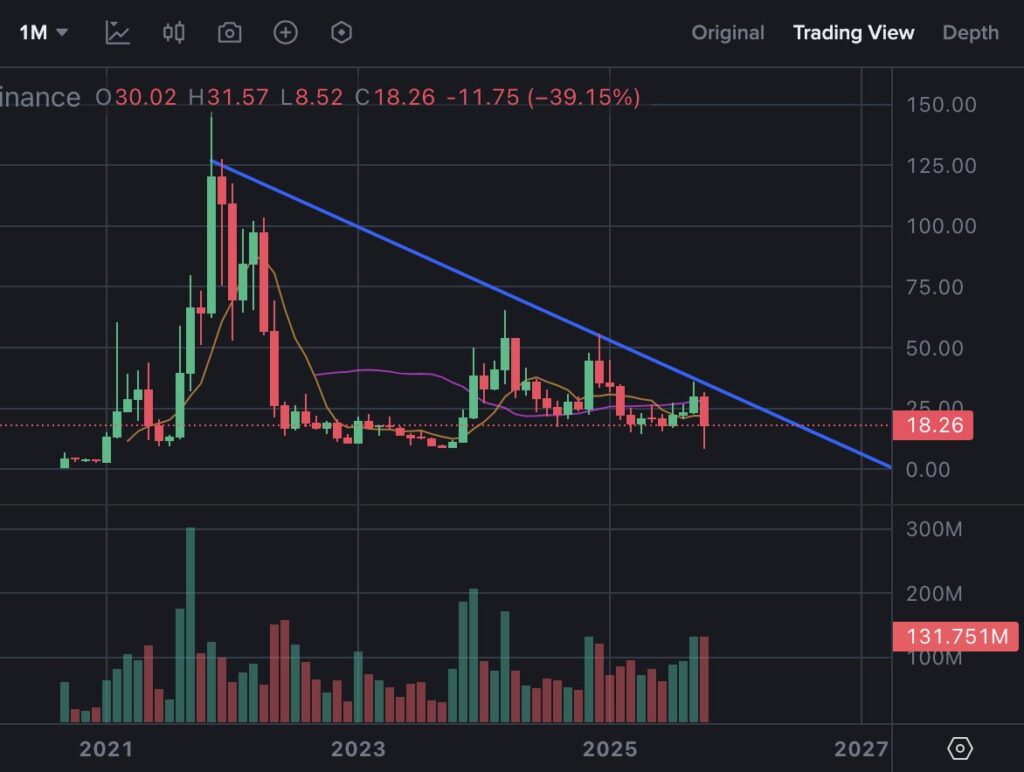
This negative volume trend, at the same time as a bearish rejection at the moving average, indicated limited upward momentum.
The $15-17 zone, however, was a good structural support; if defended, it may give a relief rally up towards the $25-28 zone. An aggressive move above $32 would nullify the bearish formation. Therefore, this period was a possible turning point in the midterm trend.
Avalanche Stablecoin Market Cap and Volume
One of the top reasons why this sell pressure on Avalanche could be overcome was the fact its fundamentals were strengthening each day. There was sufficient liquidity on the chain, as indicated by its stablecoin market cap.
The data from DefiLlama showed that the stablecoin market cap on AVAX increased by a factor of two in a single day last week. The value reached $2.27 billion but was down by about 2.27% since attaining this figure.
Additionally, volume, a crucial aspect of trading cryptocurrency, was rising on average. Avalanche registered more than $25.8 billion in October alone. This was a clear indication that participants were trading on the chain as well as its native token.
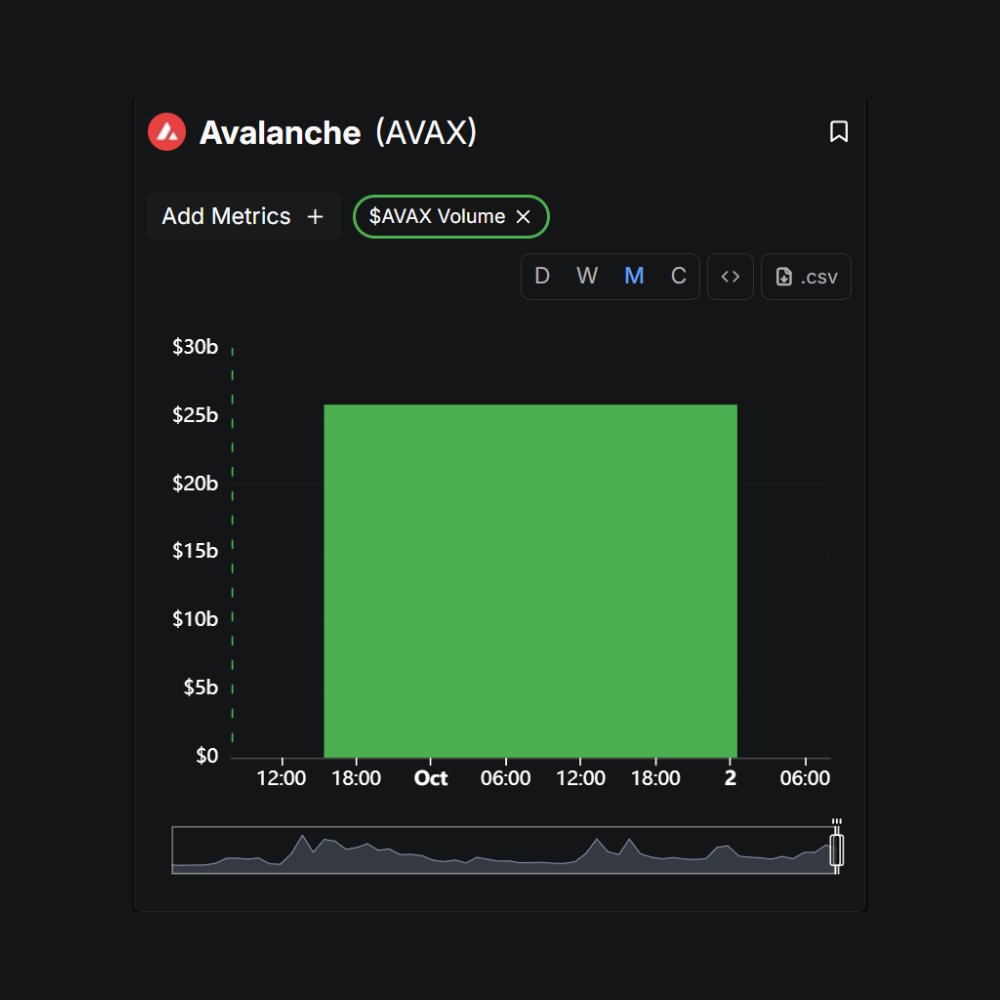
The strength in on-chain data indicated Avalanche still had traction from users despite its price continuing to struggle. Additionally, it showed that users were deriving value from chain activities beyond trading the native token.
For instance, its DeFi ecosystem rewards stakers, while also enabling borrowing and cross-chain transactions. This was evident in the high trading volume in October.
Institutional Funding on Avalanche Chain
This development marked the beginning of Avalanche’s solid position as one of the leading institutional cryptocurrencies, reportedly ranking second in institutional funding among its partners. A significant shift in the Asian financial market supported this institutional-level interest.
The payments giant TIS of Japan, which processes nearly 50% of credit card payments in the country and approximately $2 trillion in transactions annually with its PAYCIERGE system, has implemented the Multi-Token Platform on Avalanche’s AvaCloud.
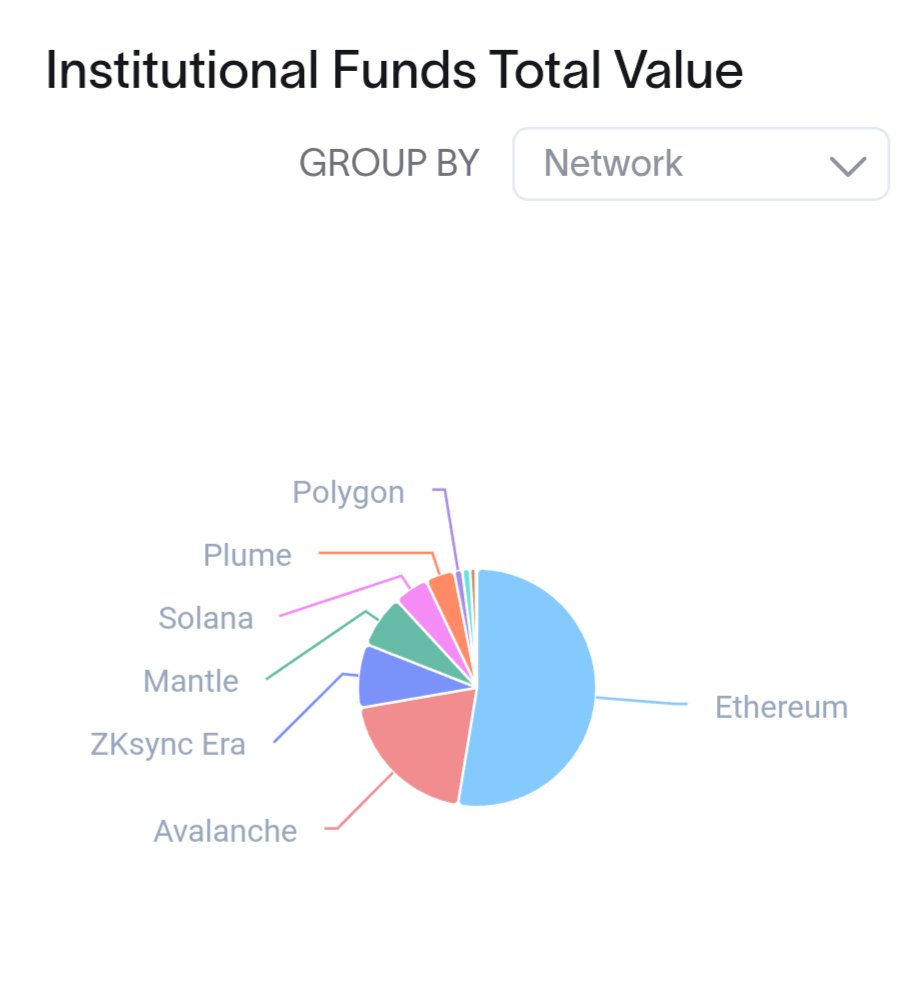
This major alliance demonstrated the speed, scalability, and reliability of Avalanche. The TIS, which participates in the giant Japanese cashless payments market on the blockchain, provided backing for this major alliance.
The platform will enable the issuance, settlement, and management of digital assets, such as yen-backed stablecoins, in a compliant manner with regulatory requirements.
Overall, the on-chain activity and new developments indicated that Avalanche could reverse the ongoing sell pressure and become bullish. But until the overall cryptocurrency market stabilized or turned bullish, there was risk.





