
 NEAR Protocol
 Pearl
Pearl Bitcoin
 Puffer
 ZKsync
 Pudgy Penguins
 Hyperliquid
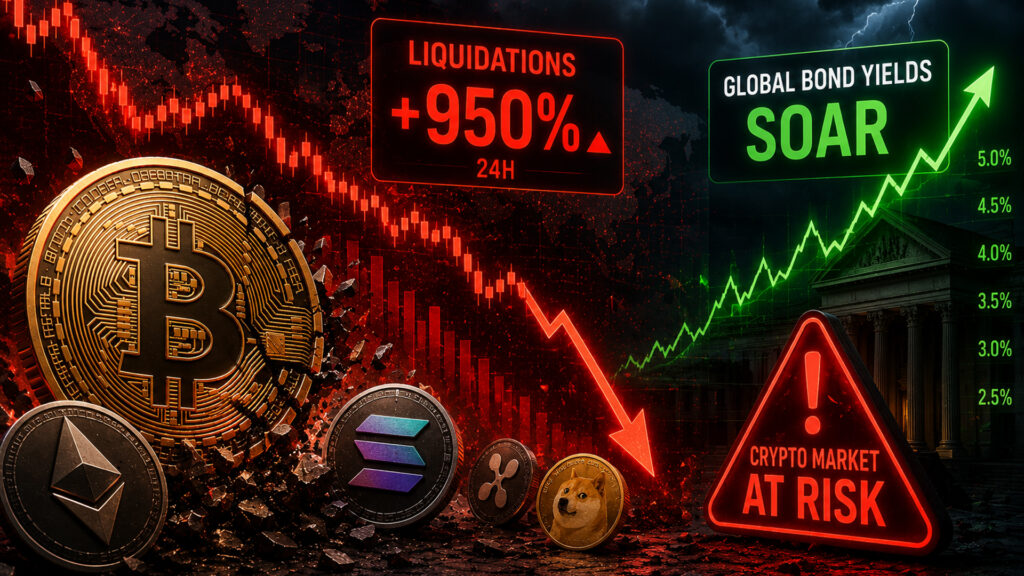
The crypto market started the week under pressure as investors reacted to rising liquidations, higher bond yields, and slowing institutional demand. Bitcoin price fell below the key $77,000 support level, while the total crypto market capitalization dropped 2.21% to $2.5 trillion.
The broader decline reflected worsening sentiment across risk assets as traders reduced exposure amid macroeconomic uncertainty.
Crypto Liquidations Accelerate Market Sell-Off
Thousands of crypto traders are staring at huge losses this week as liquidations in the industry jumped. This liquidation is happening as many traders who had long leveraged positions are wiped out amid the reversal.
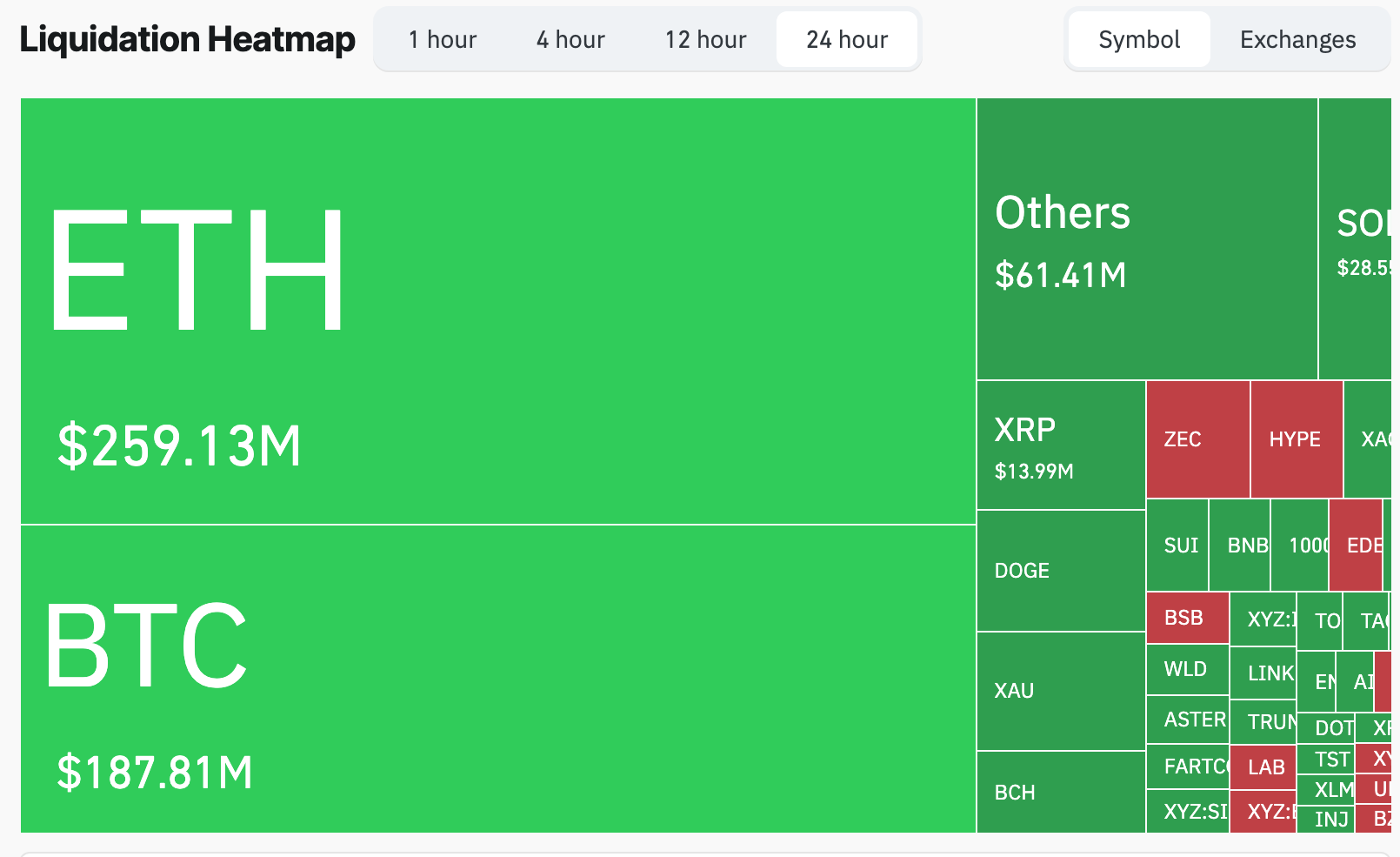
CoinGlass data shows that 24-hour liquidations jumped by 946% in the last 24 hours to over $671 million, the highest level in months. Over 111k traders were wiped out, with those with Ethereum exposure suffering more losses.
Bullish Ethereum positions worth $255 million were wiped out as the coin plunged to $2,100. Bitcoin and Solana positions worth over $183 million and $28 million were wiped out in the same period.
For starters, liquidation is a situation where crypto exchanges are forced to close loss-making positions when they hit the margin level. A surge in liquidations normally pushes more people to sell their positions. A good example of this is what happened on October 10 last year when over 1.6 million traders were liquidated.
Global Bond Yields Are Soaring
Another key risk that could trigger a crypto market crash is a strong global bond yield uptrend. Data shows that US ten-year yield jumped to 4.6% on Monday, the highest level in years. The 30-year yield rose to a multi-decade high of 5.15%.
The same is happening in other countries. In Japan, the ten-year rose to 2.7% as the 30-year jumped to 4.6%. In Germany, the ten-year rose to 3.18%.
These numbers are rising as the global economies worsen amid the ongoing US-Iran war. Indeed, there are fears that President Donald Trump will restart his war with Iran now that the two sides have not reached an agreement.
A resumption of fighting will push global bond yields much higher than where they are today. That’s because crude oil price will likely continue soaring, pushing inflation higher.
The most recent macro numbers show that US inflation has continued rising this year. In the US, the headline CPI and PPI rose to 3.8% and 6%, respectively, in April, the highest level in years. In Europe, the headline inflation rose to 3%, the highest point since 2022.
These events have an impact on the crypto industry because of the implication of the central banks. Analysts have now ruled out a situation where the Fed slashes interest rates this year, even with Kevin Warsh at the helm.
Crypto ETF Inflows Have Slowed
The rising bond yields likely explain why American investors have pared back their crypto exposure. A good example of this is in the Bitcoin market, where spot ETFs shed over $1 billion in assets last week. These funds have had cumulative inflows of $58 billion and now hold assets worth over $104 billion.
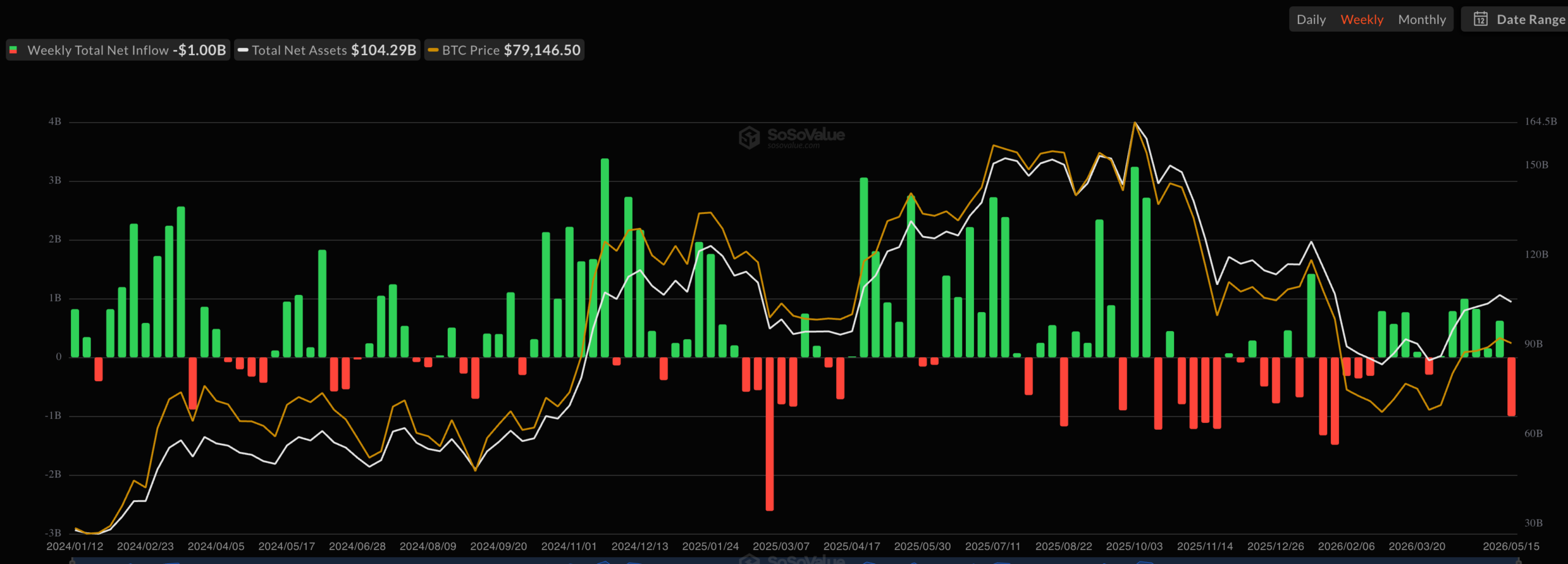
The same is happening in the Ethereum ETF market, where they lost over $255 million in assets last week. Other altcoin ETFs like Dogecoin, Hedera Hashgraph, and Chainlink have not had any major inflows recently.
At the same time, crypto treasury companies have largely stopped buying in the past few months. Only the big names like Strategy and BitMine have continued their accumulation phase in the past few months.
Therefore, there is a risk that the ongoing weak demand in the crypto market will trigger more sell-offs in the coming weeks or months.



