streamoors
 Celestia
 Injective
 Pudgy Penguins
 Pearl
Pearl NEAR Protocol
 Quantus
Key Insights:
- Russia said the threats of tariffs by Trump were very controversial.
- The BRICS countries look for alternative ways, such as a cryptocurrency option, to bypass sanctions.
- The U.S. plans to implement tariffs up to 50% against some countries by August 1.
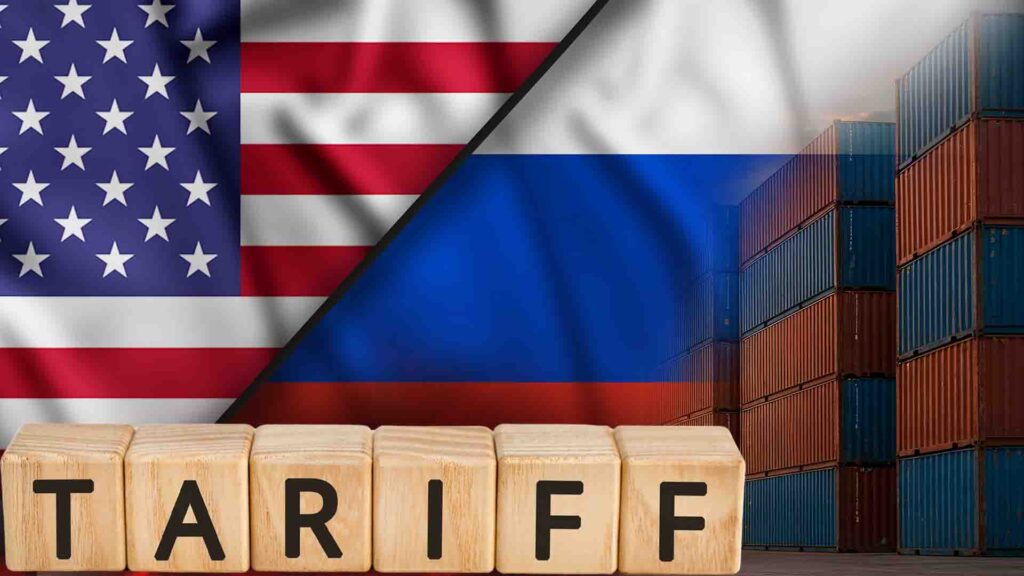
In a sharp response by Russia to the recent tariff threats of U.S. President Donald Trump, Russia has deemed the move reckless and political. The intensification of trade tensions has come at a time when the two countries are already at odds over matters including Russia’s inclination toward the BRICS coalition and other geopolitics.
Trump Announces Tariffs Against BRICS Countries
On July 7, 2025, President Trump announced his intention to impose a 10% tariff on any country that falls within the BRICS bloc, which includes Russia, Brazil, India, China, and other developing economies. He warned that there would be no exceptions, through a message posted on his social media platform called Truth Social. Immediate notification of tariffs would begin.
Such an announcement came right on the heels of the recent BRICS summit held late last month, where the BRICS members expressed displeasure over U.S. import tariffs and military action in the Middle East. The reaction spotted the stance of the U.S. as even more implacable on the countries working with or alongside Russia and the BRICS alliance.
Russia Condemns U.S. Tariff Threats
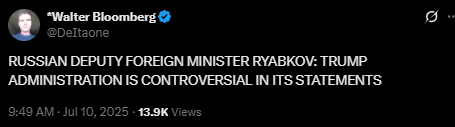
Russia reacted immediately and very sharply; Moscow considered Trump tariff threats as disavowal of all international trading norms. According to Russian Deputy Foreign Minister Sergei Ryabkov, the Trump administration is controversial in its statements. He added that the U.U. 500% tariffs will need analysis but won’t radically change the picture
The recent threats of tariff imposition can be viewed as a significant escalation. The U.S. has written letters to many nations, such as Brazil, cautioning them of tariffs that may be as high as 50% on their exports to the U.S. if these countries decline to reach an agreement with Washington.
Should there be countries that impose tariffs, President Lula has threatened to strike back, advancing Brazil’s sovereignty and pursuing answers within the system of the Law of Economic Reciprocity. Such tit-for-tat actions expose a range of risks associated with a global trade confrontation.
BRICS and the Pursuit of Economic Independence
According to Russia, the BRICS nations have been fast-tracking efforts to wean international trade away from the U.S. dollar. Some of it is a reaction to Western sanctions and tariffs.
While Russia denies any attempt to establish a complete dollar substitute, the bloc’s intent to diversify payment mechanisms presents an image of economic independence. This change also extends to the realm of increasing interest in cryptocurrency as an alternative financial vehicle.
Russia, along with other BRICS countries, has explored cryptocurrencies as a means to circumvent banking restrictions and sanctions. While this is so complex and yet evolving.
Impact on the Russian Economy
The threat of tariffs has a significant impact on the Russian economy. Already, oil exports suffer from falling oil prices driven by global uncertainty, and such tariffs would exert more pressure, aimed at restricting Russia from its major markets.
Government officials in Moscow are concerned that these economic shocks may destabilize not only Russia but also the global economy as a whole.
Mixed International Reactions
International reactions have been mixed. NATO Secretary-General Mark Rutte complimented Trump on his hard stance vis-à-vis Russia. Potentially, the escalation of sanctions and tariffs will weaken the Russian economy and finally bring an end to the conflict in Ukraine.
Meanwhile, other U.S. trading partners like South Korea wish to negotiate with Washington to avoid punitive tariffs slated to come into effect on August 1, 2025.
Disclaimer
This article is for informational purposes only and provides no financial, investment, or other advice. The author or any people mentioned in this article are not responsible for any financial loss that may occur from investing in or trading. Please do your research before making any financial decisions.