
 astronaut
 Pearl
Pearl NEAR Protocol
 Starknet
 Zcash
Zcash Pudgy Penguins
 Ethena

All Bitcoin ETF gains for the year have now been wiped out after the asset fell below $90,000 again. This marks the second time in two days that Bitcoin has dropped below $90,000. This indicates that it is testing this level.
With the most recent decline, BTC, which fell to around $88,000, is now down 5% year-to-date. This is the lowest that BTC has traded since April 2025.
More Short-term Holders in Loss Than During COVID-19 and FTX Collapse
The recent drop below $90,000 continues a volatile performance that began with its peak in early October. Since then, Bitcoin has declined by more than 26%, marking the largest pullback of the current bull market cycle.
Interestingly, the drop in Bitcoin price now means that 95% of all Bitcoin bought in the last 155 days are in loss. This is higher than the percentage during the COVID-19 pandemic and the FTX crisis, when it was 92% and 94%, respectively.
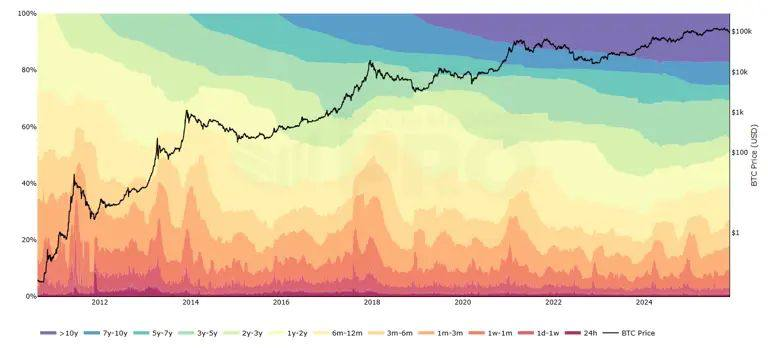
With the Bitcoin Fear & Greed Index now in extreme fear, the bearish sentiment appears very strong. This is further worsened by on-chain metrics showing that bearish momentum might have set in.
CryptoQuant analysts noted:
If the bear market has truly set in, it will confirm the four-year cycle theory. This suggests that the BTC bull-bear cycle typically lasts around four years.
This has occurred in the past two cycles, from 2014 to 2017 and from 2018 to 2021. With this theory, the current cycle, which started in 2022, will end this year.
Gold ETF Now Outperforming Bitcoin ETFs Since January 2024
Unsurprisingly, the decline that wiped out all BTC gains year-to-date has left the BlackRock spot Bitcoin ETF trailing the Gold ETF. BlackRock IBIT had outperformed the Gold ETF for most of the last two years. However, that has now changed due to the price of BTC.
Interestingly, the Bitcoin ETFs are part of the factors contributing to the recent decline in the flagship asset’s value. The ETFs have become net sellers of Bitcoin, with BlackRock depositing 6,735 BTC worth $616 million on Coinbase today.
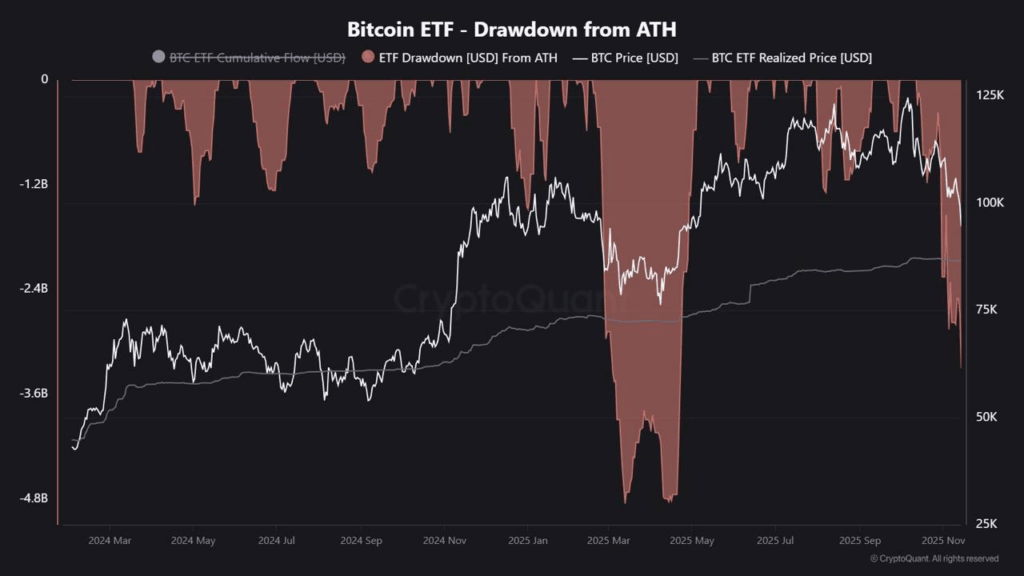
So far, the Bitcoin ETFs led by IBIT have experienced five consecutive days of outflows since November 12. According to Farside Investors data, the ETFs have collectively seen a negative net flow of over $2.26 billion in that period.
Meanwhile, the ETFs are now down $3.29 billion from their peak. This marks the second-largest drawdown for the products since they launched. Along with ETFs, institutional demand for Bitcoin is drying up from digital asset treasuries.





