
 astronaut
 Pearl
Pearl Zcash
Zcash Walrus
 NEAR Protocol
 Starknet
 Pudgy Penguins
- Investors purchase small fractions of real-world commodities through tokenization
- They invest in tokens tied to precious metals, energy resources, agricultural products, and real estate.
- Tokenized commodities are available to trade on crypto exchanges.
The crypto world is experiencing a transformative shift with the advent of tokenization. This process has allowed investors to own small fractions of real-world assets on a blockchain. It democratizes access to asset classes, from real estate to fine art and commodities.
Tokenized commodities are digital tokens representing different real-world items, such as gold, oil, and crops on a blockchain network. This real-world asset investment method has made it possible for investors to buy and sell small portions of commodities.
Tokenized commodities represent real-world items like gold, oil, and crops on a blockchain network. This real-world asset investment method has made it possible for investors to buy and sell small portions of commodities.
Also, this tokenization offers access to markets that are usually tough to trade in. In this article, we will explore about making investments in tokenized commodities:
How Tokenized Commodities Works
Crypto investors invest in the tokenized version of commodities, such as gold, oil, crops, silver, and real estate. Tokenization allows different financial institutions to divide a commodity into smaller pieces called tokens.
Each token represents a small portion of the commodity. It allows investors not to invest in the entire commodity. Also, tokenized commodities provide more stability than regular cryptocurrencies like Bitcoin.
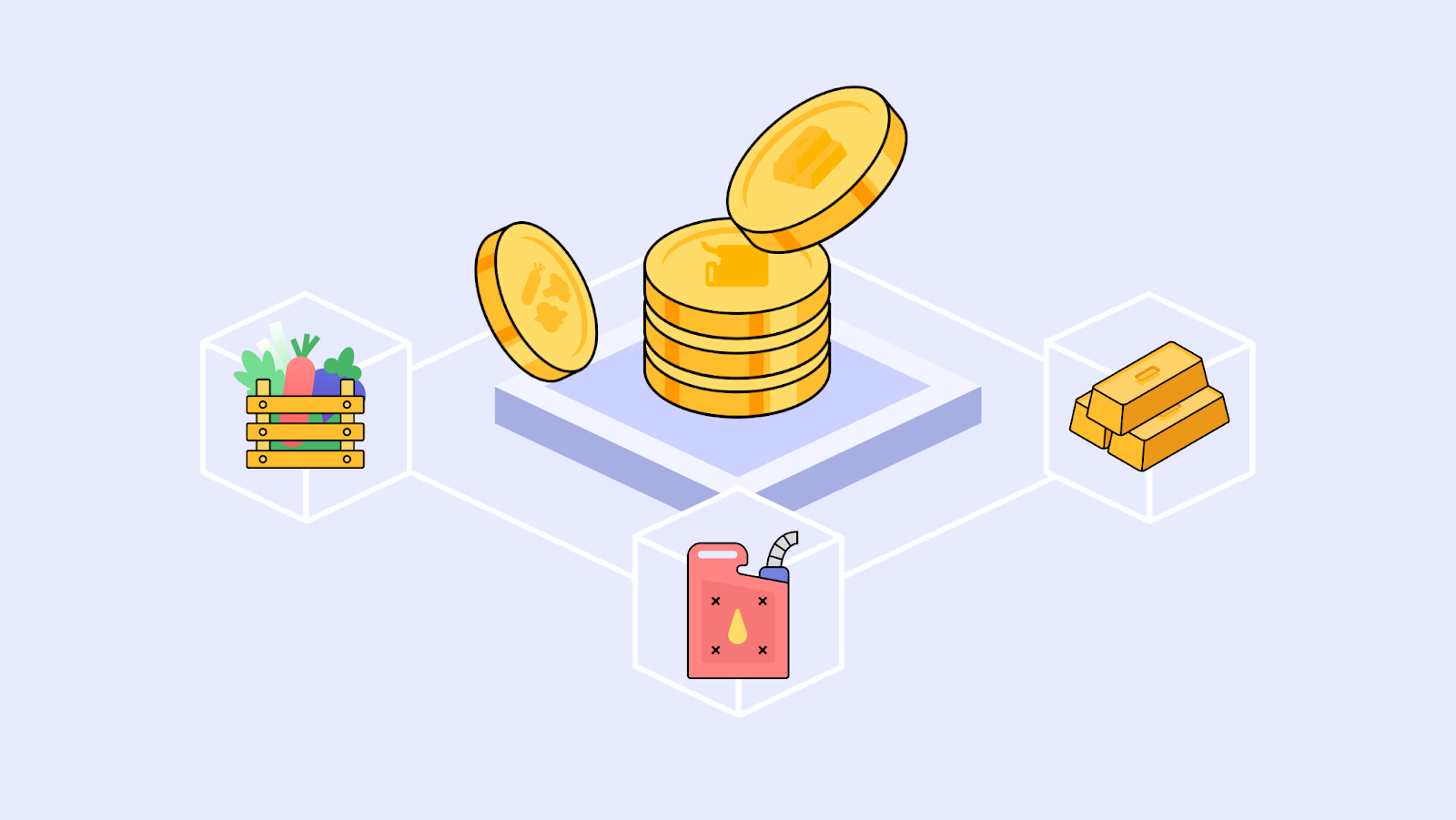
Their value is associated with tangible assets like gold or a barrel of oil. Investors can diversify their portfolios. To diversify, they can invest in tokenized commodities. It will balance out the riskier parts of investments.
Investors can buy, sell, and trade tokenized commodities through crypto exchanges and specialized tokenization platforms.
Types Of Commodities To Tokenize
Below, you can check options for the commodities to tokenize:
- Precious Metals
Investors can purchase tokenized precious metals such as gold, silver, and platinum. It allows investors to buy fractions of a precious metal, such as a gram of gold or an ounce of silver. Tokenization doesn’t require an investor to buy a whole bar or coin.
Physical storage of precious metals can be cumbersome and expensive. Tokenized metals are stored in secure vaults, and ownership is represented digitally.
Also, tokenized precious metals can be traded 24/7 on digital platforms, providing greater liquidity to traditional markets.
- Energy Resources
Oil, natural gas, and renewable energy certificates are the tokenized commodities for investors. Tokenization removes logistical barriers. Also, it allows investors to buy and sell energy resources more efficiently.
Also, investors purchase fractions of energy resources, making it easier to diversify investments. Tokenized energy resources enable peer-to-peer trading, allowing individuals to trade surplus energy directly with others.
- Agricultural Products
Now, investors can purchase tokenized agricultural products. They can buy fractions of agricultural commodities such as wheat, coffee, and corn. Tokenization allows small investors to participate in agricultural markets.
Tokenized agricultural products can be traded more quickly than physical commodities. Blockchain technology ensures that all transactions are transparent and traceable.
- Real Estates
Now, investors can own small portions of residential properties and commercial buildings through tokenized commodities. Investors can invest in high-value assets with smaller amounts of capital.
Real estate is traditionally an illiquid asset, but tokenization enables quicker and easier trading of property shares.
Tokenized real estate opens up investment opportunities to a broader audience. It includes those who might not have the capital to invest in whole properties.
Benefits Of Tokenized Commodities
Below, you can check the top advantages of investing in tokenized commodities;
- Tokenized commodities can be traded 24/7 on digital platforms. It provides greater liquidity compared to traditional markets.
- Tokenization allows investors to purchase fractions of a commodity, such as a gram of gold or a barrel of oil. They don’t need to buy the whole asset. This lowers the entry barrier and makes it accessible to a broader user base.
- Blockchain technology makes sure all transactions are transparent and secure. It reduces the risk of fraud in crypto investments. Every transaction is recorded on a public ledger, making it easy to verify ownership and authenticity.
- By eliminating intermediaries and automating processes through smart contracts, tokenization can reduce transaction costs and increase efficiency. It can lead to lower fees for investors.
- Investors diversify their portfolios by including tokenized commodities. This can help mitigate risk and improve returns.
Disclaimer
The information provided in this article is for informational purposes only. Cryptocurrency investments are highly volatile and carry significant risks. Readers are advised to conduct their own research and consult with a qualified financial advisor before making any investment decisions.





