NEAR Protocol
 Bitcoin
 Puffer
 Hyperliquid
 ZKsync
 Pudgy Penguins
 Pearl
Pearl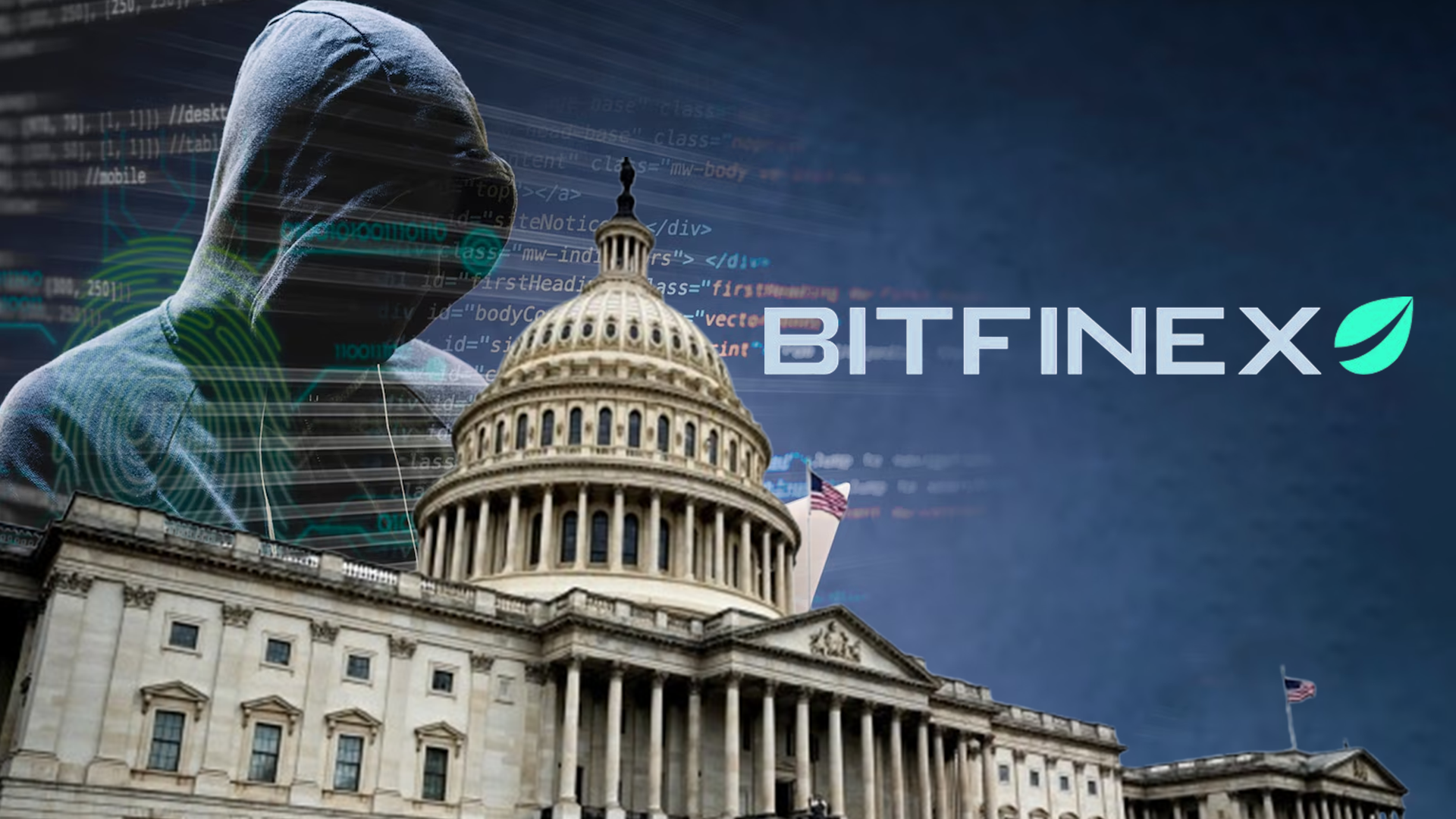
- A hacker returned most of the $20 Million stolen from U.S. government wallets within a day.
- Still, a portion remains unsettled after being sent to exchanges.
- Breach raises concerns about the security of U.S. government wallets for seized assets.
Recently, a crypto hacker returned a significant portion of $20 Million stolen from a US government wallet. This wallet contained recovered funds from the infamous Bitfinex exchange breach in 2016.
As per Arkham Intelligence, 88% of the funds have been returned. This incident highlights the ongoing challenges in securing the government’s digital assets.
Bitfinex Wallet Hack and Recovery
On 24th October, a hacker stole around $20 Million from a government wallet. Arkham Intelligence revealed this news. The hacker managed to move a large number of ETH, USDC, and USDC from the government’s wallet.
The government wallet was used to store stolen funds from the major Bitfinex exchange hack in 2016. Over the years, the US government recovered some of these stolen funds and kept them in a secure wallet.
A few days back, the hacker returned about $19.3 Million of the stolen money within 24 hours of the malicious attack. The hacker used various cryptocurrency wallets and transactions to move the stolen funds.
Authorities managed to track cryptocurrency transactions using Blockchain analytics. However, Arkham has established that the hacker sent most of the funds back to the U.S. government wallet.
Around $700,000 was still missing from the Bitfinex hack funds. These were sent through instant exchanges, which made it difficult to track them.
Security Measures Taken By The US Government
The good thing is that the U.S. government took swift action to secure the Bitfinex wallet assets in a new wallet address. Arkham Intelligence confirmed that the assets were transferred to a new wallet under the address “0x0CaB63E3e978D1f66c19C480c206b01fB62F1243.”
Still, this recent breach suddenly raised concerns about the security protocols of wallets managed by the U.S. government. This breach displays that high-value wallets can be compromised regardless of their custodians.
Addressing these vulnerabilities requires regulatory oversight and continuous vigilance to protect high-value wallets from sophisticated attacks. Traditional asset management strategies are not enough for securing crypto holdings.
Other Malicious Attacks
The recent Bitfinex hack is just one of the crypto malicious attacks reported in 2024. Crypto losses due to hacks and fraud increased by 9.5% in the third quarter alone, totaling over $750 million.
In May 2024, cryptocurrency exchange DMM Bitcoin suffered a massive heist. They lost $308 Million due to the malicious attack. It was one of the largest attacks of the year and significantly impacted the exchange’s operations.
In October, a hacker targeted cross-chain lending protocol Radiant Capital to steal $50 million. The hacker stole funds by compromising Radiant Capital contracts on the BNB Smart Chain and Arbitrum networks.
The hacker managed to get the private keys required to sign transactions from Radiant Capital’s multi-signature wallet. The cybercriminal shifted $52 Million in funds to the Ethereum network, making the stolen funds much harder to recover.
Disclaimer
This article is for informational purposes only. Crypto investment involves inherent risks due to the volatility in price. Readers should conduct their own research before making any investment decision. Also, you can consult a crypto expert before investing in cryptocurrencies.