Dacity Coin
 Injective
 Pearl
Pearl Bittensor
 Pudgy Penguins
 Celestia
 NEAR Protocol
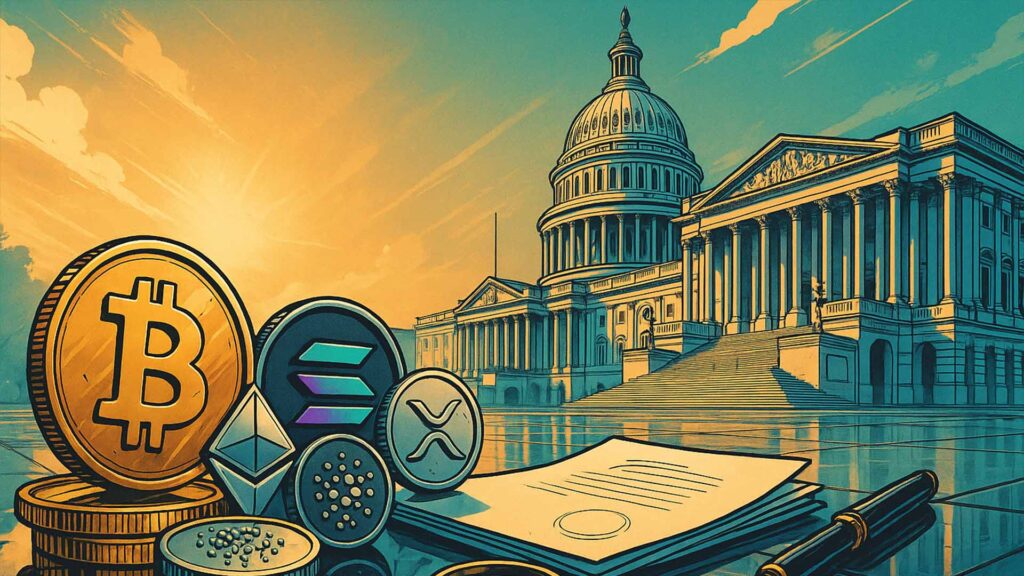
In the latest Crypto news, the Senate Agriculture Committee released a bipartisan draft bill for crypto regulation. Senators Boozman and Booker introduced it. The bill treats Bitcoin and Ethereum as commodities. It gives oversight to the Commodity Futures Trading Commission.
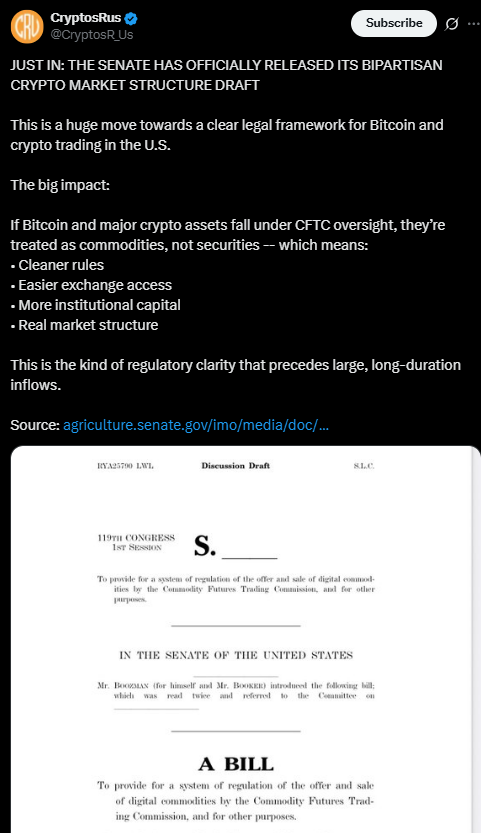
Lawmakers built the bill on FIT21. The House passed FIT21 in May 2024. The draft aims to establish clear rules for the crypto market. These efforts demonstrate a strong push to bring legal certainty to the rapidly growing digital asset industry.
Crypto News: CFTC to Gain Expanded Authority
The proposed bill grants the Commodity Futures Trading Commission (CFTC) greater authority to regulate crypto markets. It enables the CFTC to regulate spot markets for digital commodities, such as Bitcoin and Ethereum.
This represents a significant shift from current rules, under which the SEC has led enforcement actions against crypto firms for securities violations. The bill defines digital commodities as crypto assets that are not securities.
These assets will no longer be subject to SEC control. Exchanges handling digital commodities must register with the CFTC. They must follow new rules for customer protection, anti-fraud measures, and overall compliance. This aims to create a safer and more transparent crypto market.
Per the crypto news, the draft also supports self-custody rights. People can hold their own crypto without using third-party services. This gives users more control over their assets. However, the bill does not yet cover all areas.
Lawmakers are still reviewing topics like stablecoins and privacy-focused tokens. They say more legislation is needed to address these issues. Overall, the bill represents a significant step toward clearer cryptocurrency regulation and enhanced consumer protection.
Industry Reaction and Market Implications
The cryptocurrency industry has long requested clear rules. They are seeing this crypto news as a positive step. The Senate’s draft bill is seen as a big step forward. It treats Bitcoin and similar assets as commodities.
This change could help exchanges and investors feel more secure. It may also attract more institutional money into the crypto space.
If the bill becomes law, it could lower the risk of sudden enforcement actions. This would give crypto firms more room to grow and innovate. Clear rules also help startups and developers build new products. The bill supports a safer and more open crypto market in the U.S.
The draft also helps the U.S. compete globally. Countries like the European Union and Singapore already have strong crypto laws. With this bill, the U.S. could match or even lead in crypto regulation.
It indicates that lawmakers are willing to support the digital asset industry. Overall, the bill could boost confidence and growth in the crypto sector.
Next Steps in the Legislative Process
The draft bill is expected to undergo public comment and committee review before being formally introduced on the Senate floor. Lawmakers are working to align the Senate proposal with other committee efforts to create a unified regulatory framework.
The path to passage remains uncertain. However, the bipartisan nature of the draft suggests growing consensus on the need for tailored crypto legislation. Industry stakeholders and legal experts will be closely watching the bill’s progress in the coming months.