streamoors
 Celestia
 Injective
 Pudgy Penguins
 NEAR Protocol
 Pearl
Pearl Starknet
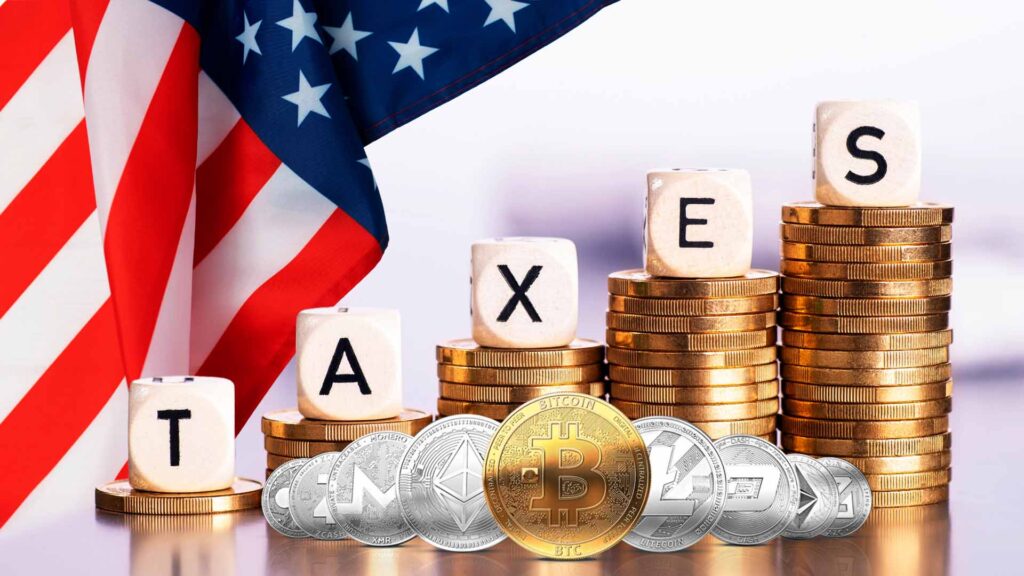
U.S. Senator Steve Daines introduced a U.S. Crypto Tax bill in the Senate on Sept. 30. The proposal would exempt qualifying purchases made with stablecoins from recognizing gains or losses. It also extended established tax principles across other digital asset transactions.
The Internal Revenue Service currently treats digital assets as property for federal tax purposes. That framework can create gain or loss calculations when taxpayers spend crypto. Daines’ proposal sought tailored payment rules while preserving anti-abuse provisions for trading activity.
U.S. Crypto Tax Bill Opens Stablecoin Payment Exemption
The 56-page Aligning Digital Assets with Principles of Taxation Act created a payment stablecoin exemption. Section 2 said taxpayers would recognize no gain or loss on eligible stablecoin payments. Treasury would publish a qualifying stablecoin list at least once every three months.

The bill limited eligibility to qualified U.S. dollar stablecoins purchased within 3% of $1. Treasury would review whether each token traded within that range during the preceding 12 months. Traders, brokers, dealers, and similar businesses would not qualify for the payment exemption.
The legislation also removed broker information reporting for qualifying stablecoin transactions. Taxpayers would still keep records separating exempt purchases from other stablecoin transactions. Those stablecoin tax provisions would apply after Dec. 31, 2026, if Congress enacted the bill.
Internal Revenue Service Notice 2014-21 treats convertible virtual currency as property. General property principles therefore apply when taxpayers sell, exchange, or spend those assets. The proposed exemption would create a narrower rule for eligible dollar-pegged stablecoins.
U.S. Crypto Tax Bill Adds Wash-Sale and Fee Rules
Section 7 would extend wash-sale restrictions to traded digital assets, excluding qualified U.S. dollar stablecoins. The bill also treated economically equivalent tokenized or bridged assets as substantially identical in specified circumstances. Certain validation rewards and mark-to-market positions received exceptions.
Existing wash-sale rules generally restrict loss deductions around repurchases of substantially identical covered assets. The proposal would add traded digital assets to that framework. That provision would narrow tax-loss strategies currently available across many crypto transactions.
Section 11 created separate relief for qualifying digital asset transaction costs. No gain or loss would be recognized when covered transaction costs totaled $10 or less. The definition covered network fees, gas fees, commissions, transfer taxes, and similar expenses.
The fee exemption excluded traders, brokers, dealers, certain validation businesses, and similar businesses. It also excluded taxpayers initiating over 5,000 digital asset transactions during the prior taxable year. The provision would apply to covered asset dispositions after Dec. 31, 2026.
Crypto Tax Rules Extend to Staking, Mining and Lending
The proposal established source rules for income from digital asset validation activities. U.S. persons would generally source qualifying validation income inside the United States. Foreign persons would generally source it outside the country, subject to branch rules.
For mining, qualifying pool payments and transaction fees would count as validation income. Compensation for hosting or equipment-management services would fall outside that definition. Treasury would receive authority to issue additional branch-attribution rules.
The bill also expanded securities-lending tax treatment to qualifying digital asset loans. It proposed mark-to-market elections for eligible digital asset dealers and traders. Other sections addressed charitable contributions, constructive sales, investment trusts, and publicly traded partnerships.
Daines outlined these principles during a Senate Finance Committee hearing on July 16. He said familiar tax rules should apply when digital assets resemble securities or commodities. He also called for tailored rules covering stablecoin payments, network fees, staking, lending, and validation activity.
House Vote Creates Separate Tax Track
The Senate proposal followed separate digital asset tax legislation in the House. The House Ways and Means Committee approved the Digital Asset Tax Certainty Act on Sept. 16. Committee records showed lawmakers ordered the measure favorably reported by a 38-5 vote.
The House bill also addressed payments, wash sales, mining, staking, and mark-to-market accounting. However, both chambers were considering separate legislation with different text. Daines’ bill listed Cynthia Lummis, Bernie Moreno, and Tim Scott as co-sponsors.
Treasury Secretary Scott Bessent had committed to working with Congress on digital asset tax legislation. He made that commitment during a June 3 Senate Finance Committee exchange with Daines.
Congress had not enacted either proposal as of Sept. 30. No Senate Finance Committee markup date appeared in the official materials reviewed. The next procedural milestone would be committee consideration or another announced Senate action.
This article is for informational purposes only and does not constitute tax, legal or financial advice. The Senate and House proposals have not become law.