
 Zerebro
 Bitcoin
 Aerodrome Finance
 ZKsync
 Pearl
Pearl Pudgy Penguins
 Bitway
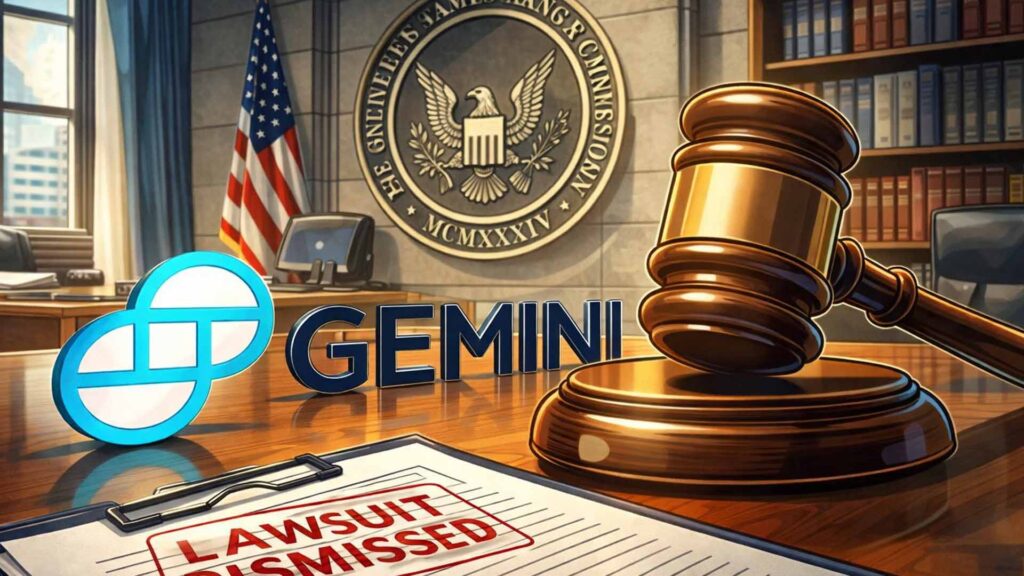
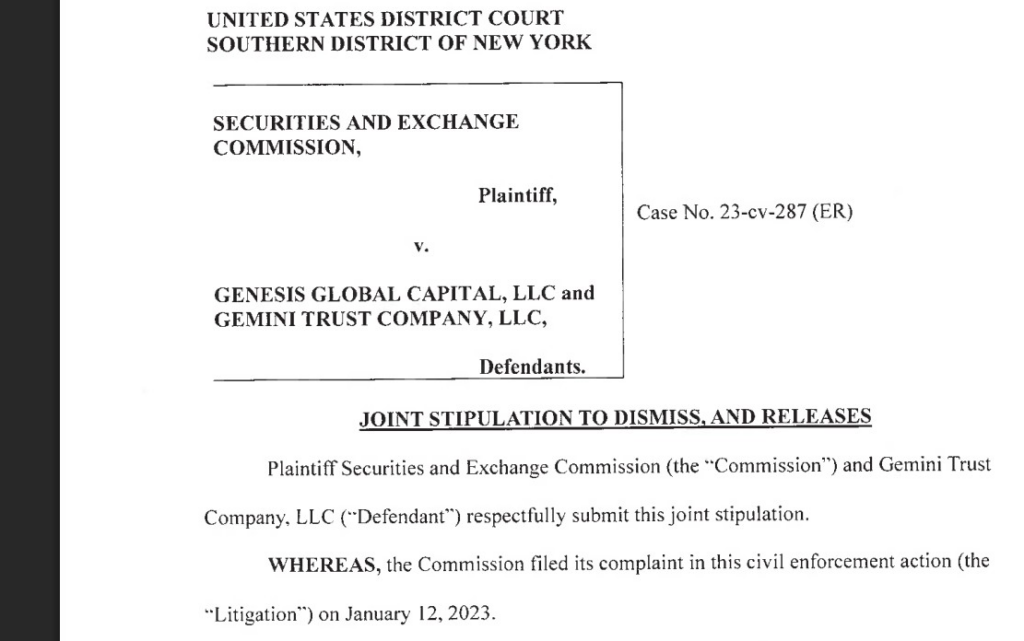
Gemini’s legal battle with the U.S. Securities and Exchange Commission (SEC) has officially concluded. On January 23, 2026, in a joint court filing, the SEC’s lawsuit against Gemini Trust Company was dismissed with prejudice. This marks the end of one of the most closely watched enforcement actions in the crypto sector since the 2022 market downturn.
The SEC’s decision to end litigation was based on the full in-kind repayment of customer assets through the Genesis Global Capital bankruptcy proceedings. Investors in Gemini’s Earn program were fully reimbursed for their crypto holdings between May and June of 2024.
Full Repayment Cited as Reason for Dismissal
According to the court document, the SEC found the 100% in-kind return of assets to be a critical factor in deciding to dismiss the case. The Gemini Earn program had come under scrutiny after its partner, Genesis Global Capital, froze customer accounts in November 2022. At the time, the program was holding around $940 million in customer crypto assets.
Unlike other failed platforms that repaid users in cash after asset liquidation, Genesis repaid the actual cryptocurrencies. This approach played an important role in preserving the value of the holdings of investors and was a major consideration in the regulator’s final decision.
The SEC had stressed that its decision to withdraw from the lawsuit was discretionary and applied only to the Gemini case. It does not indicate a general softening in the agency’s enforcement stance on unregistered securities or crypto lending products.
Background of the Gemini-Genesis Case
This case against Gemini and Genesis started in early 2023. The SEC alleged that both companies had unlawfully offered unregistered securities through the Gemini Earn program. The program permitted users to lend the crypto to Genesis in return for interest payments. However, the FTX collapse and the broader market crash later that year caused liquidity issues for Genesis, leading to a withdrawal freeze.
In April 2025, the SEC put proceedings on hold as court settlements continued. Genesis ultimately settled with the SEC by agreeing to a $21 million civil penalty. The SEC later acknowledged that the full recovery of assets made further enforcement unnecessary in this particular instance.
Despite the court’s earlier denial of Gemini’s motion to dismiss, the regulator and Gemini have now agreed in writing to terminate the proceedings.
Broader Implications for Crypto Regulation
While the Gemini case is over, it comes at a time of changing regulatory perspectives. Under the Trump administration, there has been more discussion of friendlier policies for digital assets. Recent enforcement decisions and settlements may indicate a more measured approach, especially when investors are made whole.
However, the SEC made clear that its decision to drop the Gemini case is not a broader shift in its regulatory approach. It is, however, committed to dealing with the security law violations in the crypto space.
Gemini has yet to make an official public statement on the outcome of the case. Still, the dismissal comes at a time when the exchange is expanding its services and securing regulatory approvals. The company recently received approval from the Commodity Futures Trading Commission (CFTC) to operate prediction markets, signaling continued regulatory engagement.
Gemini’s Position Strengthens Following Legal Closure
The end of the SEC lawsuit is a major milestone for Gemini, as it has been trying to restore its reputation and user trust. After a Nasdaq listing last year, the firm is now worth about $1.14 billion. The dismissal of this case could give institutional investors greater confidence to invest in the digital asset space.
Gemini Earn investors have now regained everything they lost, making the case one of the only major legal actions to end with full restitution. This outcome sets Gemini apart from other firms that failed during the same time period.



