Walrus
 Quantus
 Pudgy Penguins
 Bitway
 Quant
Quant Sui
Sui Bitcoin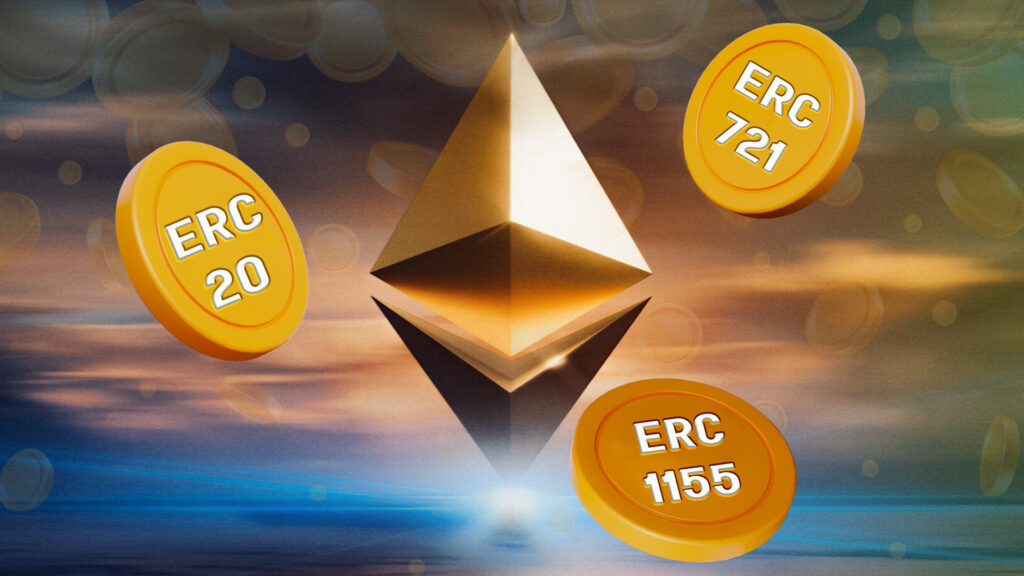
- ERCs are token standards for third-party tokens on the Ethereum network.
- ERC20, ERC 721, and ERC1155 are some well-recognized token standards.
The Ethereum public blockchain offers developers and creators a platform to develop decentralized applications and protocols and deploys them on its network. These dApps then may choose to give value to their in-app assets through some in-app coins or tokens. The ERC-20 standard is developed to lay out some rules for creating these tokens. Note that here we are talking about tokens and not coins, the two have slight differences. Coins are digital assets that have their blockchain network like Bitcoin, Litecoin, or ETH, the native coin of Ethereum. Tokens, on the other hand, are created on another blockchain and are used to provide in-app value.
These tokens can represent anything like fiat currencies, ounces of gold, physical assets, lottery tickets, skills in a game, or leaderboard points. However, since Ethereum is open-sourced, it allows anyone to develop these tokens, and then to be produced in hundreds. A standard was needed to ensure that these tokens can be used and exchanged by everyone in the network. In simple words, there was a need for a standard API for the tokens.
What are ERCs?
Ethereum Improvement Protocols (EIP) are proposals by community members to improve the features of the network. Among the various proposals, a type of EIP was requested to propose, discuss and implement the technical standards for the tokens and smart contracts. This was called ERC (Ethereum Request Comment). There have been many ERC comments regarding token standards but the most popular and accepted ones are the ERC20, ERC721, and ERC1155. The numbers behind them are just the serial number of the comments.
- ERC 20
This standard was proposed by Fabrian Vogelsteller in 2015 and was the 20th comment in the line. Following the standard practice of the network, this proposal got accepted in 2017 and became a standard for fungible tokens.
Fungible tokens are interchangeable, which means one token is not unique from others. The tokens are exactly the same in type and value. For a token to be of ERC20 standard, it must follow a set of functions and events.
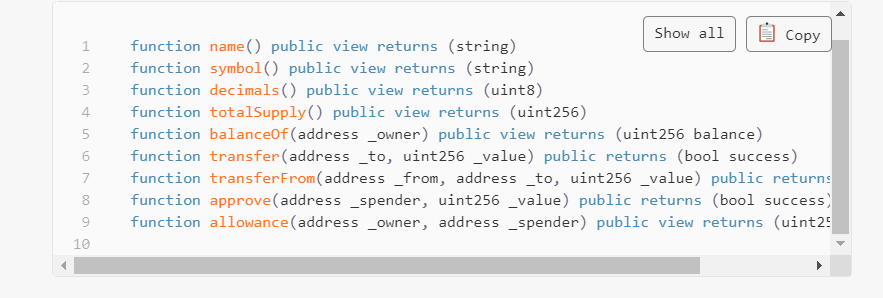
The following functions should be included in the smart contract of the token:
- Allowance
- Approve
- Transfer
- TransferFrom
- BalanceOf
- TotalSupply.
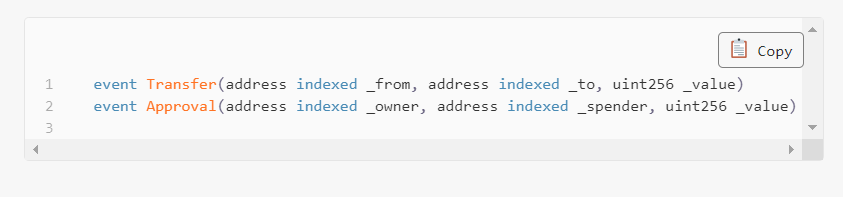
The events approved in the token must be transferred and approved. There are some optional functions like token name, symbol, and decimal points which could be mentioned to improve their usability but they are not compulsory.
These functions allow these tokens to be recognized, used, and accessed easily through a common interface. If all the different tokens used their API and method to display information, it would create a lot of confusion.
Popular cryptocurrencies using the ERC20 standards are USDC, Tether, BNB, Binance USD, and MAKER among others.
- ERC721
This standard was launched to allow developers to create unique data on the network. It helps developers create unique non-fungible tokens and provide proof of ownership to their owners. This is important when an artist needs to represent digital art or when game developers need to provide unique skins or wearables to the players.
ERC721 has led to the creation of NFTs which have gained immense popularity in the past few years and have developed a new culture and vector for crypto enthusiasts.
- ERC1155
This multiple-token standard was launched to allow semi-fungible tokens. The previous two offered either fungible or non-fungible tokens.
Suppose a meta-based game wants to launch two types of tokens. One will serve as its in-game token for purchasing and governance, other will be NFTs providing wearable and unique weapons to the players. Instead of writing two different contracts, they can write a single one with ERC 1155 standard and support all the tokens.
Final Thoughts
The Ethereum network is growing at a rapid speed providing a plethora of opportunities to new developers and creators. Such token standards are necessary to create some rules, for the people, to make it easy for everyone to recognize and use these tokens. No standard is better than others, they are designed to serve different purposes.