
 streamoors
 IGNITION
 Sword Inu
 no crying in the casino
 Altai the Tiger
 Pearl
Pearl Pudgy Penguins

Key Insights:
- Ethereum price stable near $1,596, holding above $1,574 support zone
- Active Ethereum addresses dropped to 333K by end of March 2025
- $1.18 trillion in stablecoin transfers recorded in the last 30 days
Ethereum price held above $1,574 last month, but network health showed signs of strain. While transactional volume reached new highs, the number of active wallets on the network fell to a yearly low.
Ethereum Price Hovered Above Key Demand Zone
Currently, according to data from Intotheblock, Ethereum’s price is trading around $1,596, just above a major demand zone between $1,547 and $1,595. At this price range, 5.48 million ETH are held by 2.83 million addresses that are currently profitable. In total, 56.7% of tracked addresses are “in the money” with 8.3 million ETH or around $13.24 billion.
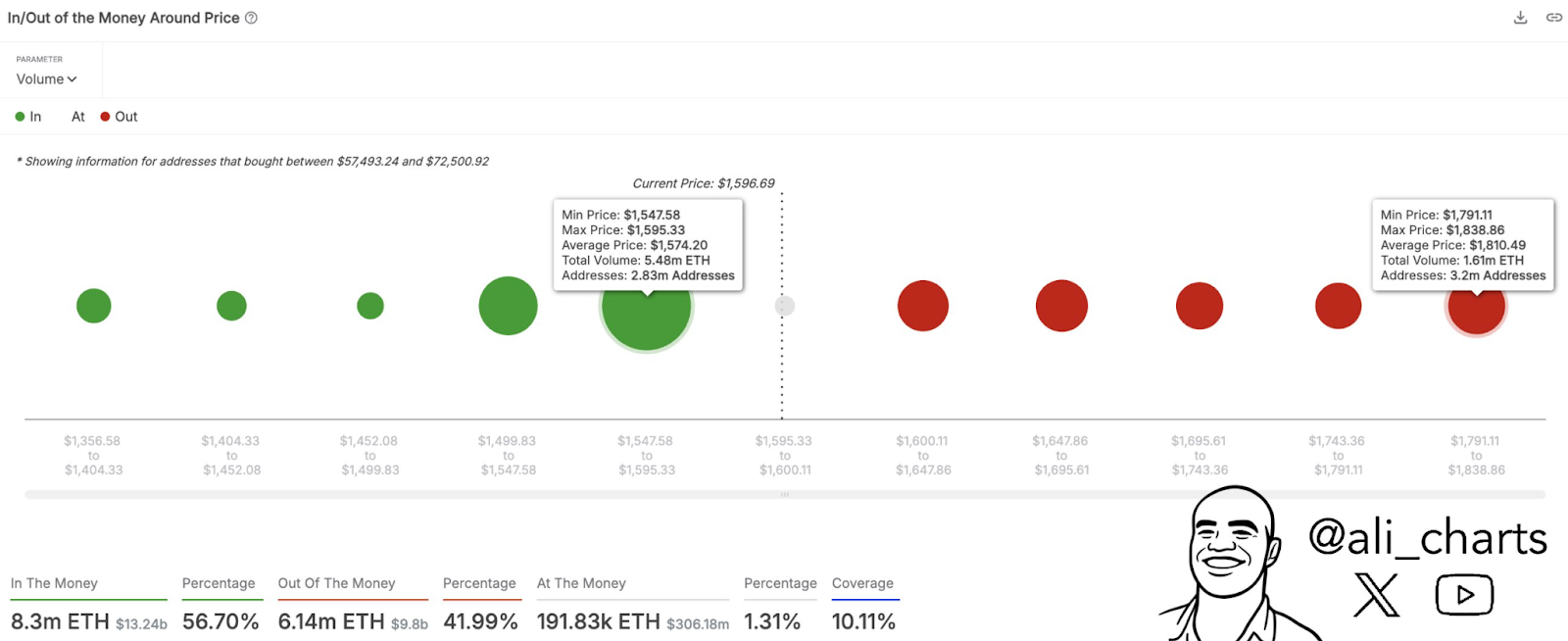
However, 6.14 million ETH, or $9.8 billion, is “out of the money.” These assets are in the possession of 41.99% of addresses and are held above the current price. 3.2 million addresses are holding 1.61 million ETH between $1,791 and $1,838, the next major resistance.
If Ethereum reclaims that level, it could encounter selling pressure, as the average entry price in this range is $1,810.
The $1,574 support zone has held for now. However, it’s not just about price, it’s about network activity as well, and whether it can continue to do so.
Ethereum Wallets Are Declining Fast
However, according to Coinvo, Ethereum’s active addresses are falling steadily. At the beginning of the year, over 500,000 daily active addresses were on the network. This number had fallen to about 333,000 by the end of March, a sharp decline that indicates a drop in user activity.
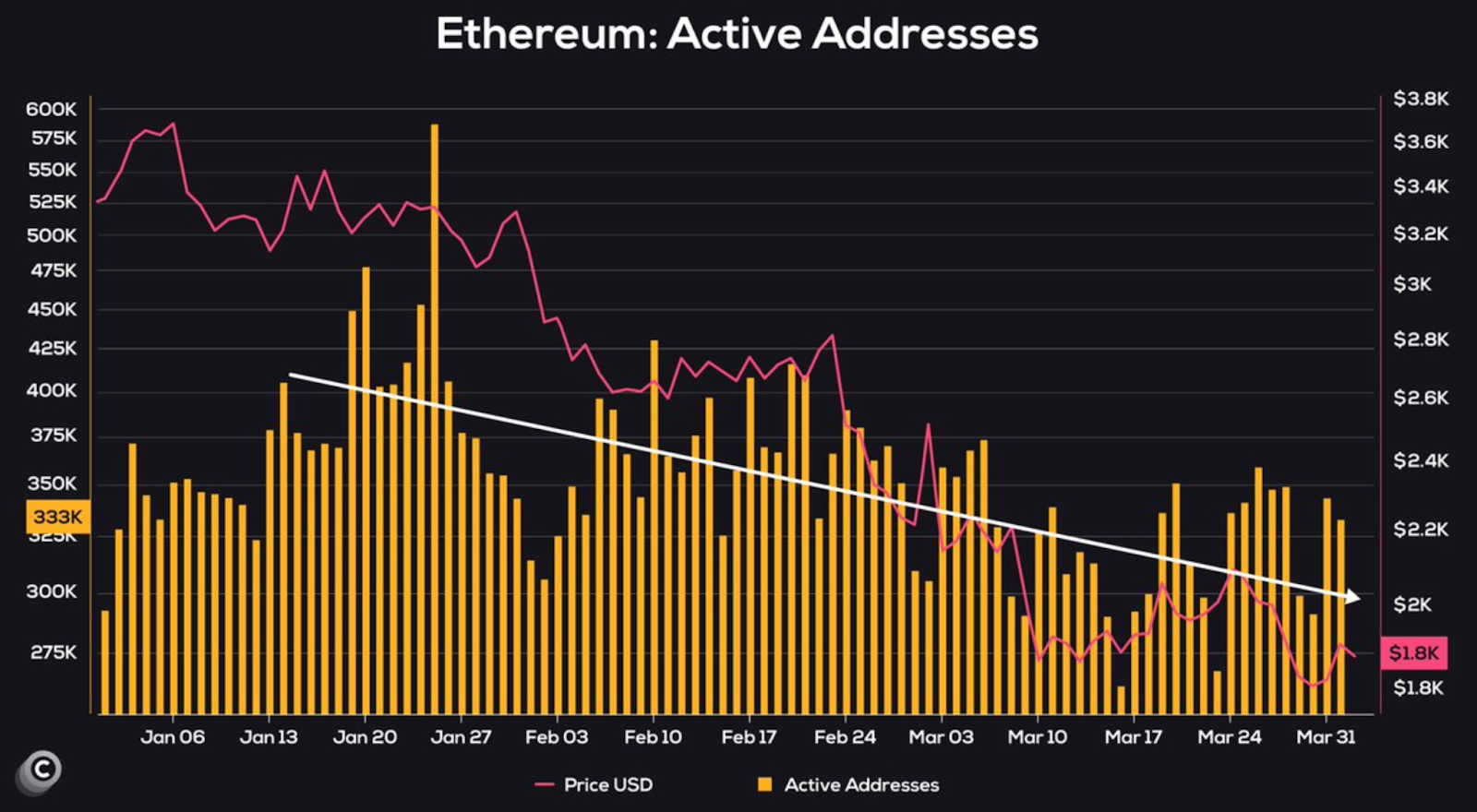
Active addresses are often taken as an indicator of network health. A lower count means that fewer individuals or wallets are engaging with Ethereum daily. It could be a decline in retail interest, less DApp engagement, or a move of activity to other blockchains.
The same period also saw price decline, and the downward trend in addresses reflects this too. This could imply that fewer users are speculating or trading as the price moves sideways or down.
Transaction and Stablecoin Activity Tell a Different Story
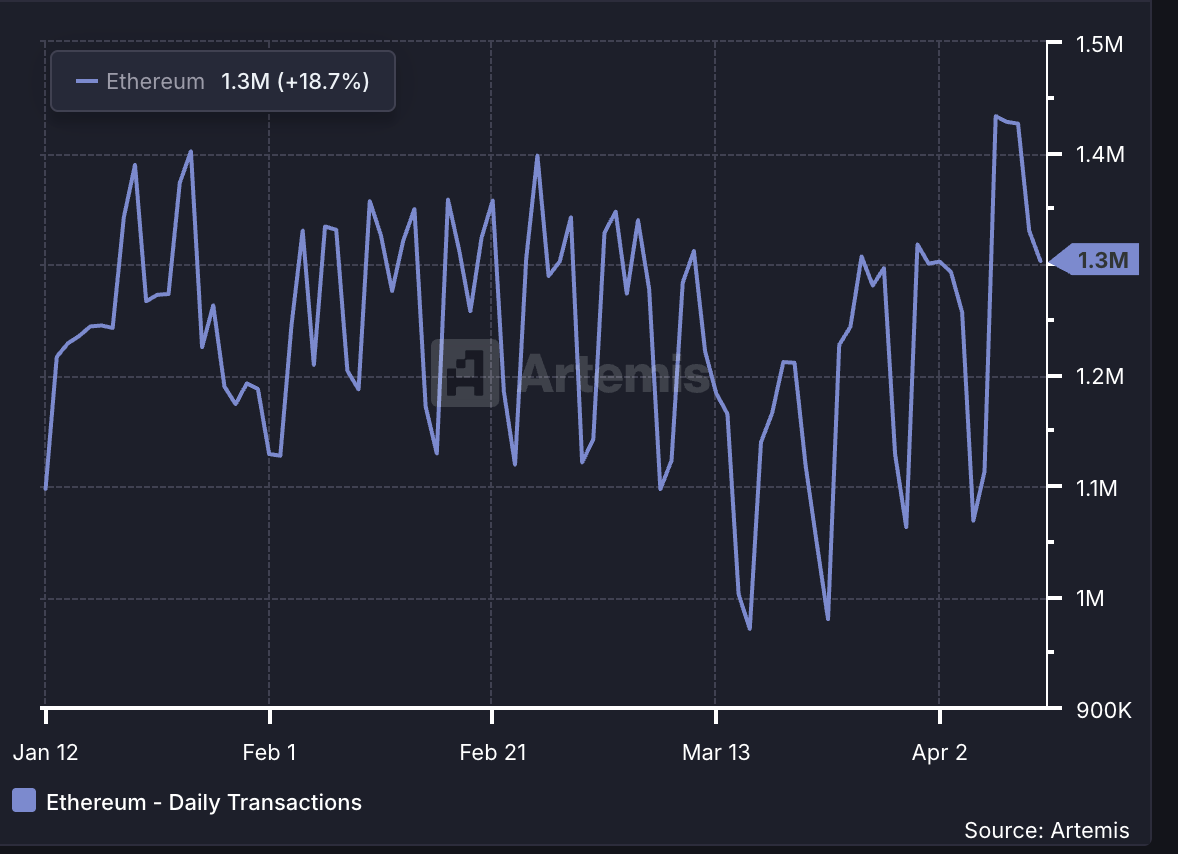
On the other hand, transactional use is not down, while user activity is. According to Artemis, Ethereum is still processing over 1.3 million daily transactions. This is up 18.7% in recent weeks.
The graph also indicates that the network is being used regularly for core functions, with regular spikes in transaction volume.
This is added to the data from CryptoRank that shows Ethereum processed $1.18 trillion in stablecoin transfers over the last 30 days. This is the highest volume in the network’s history in 30 days. USDC and USDT are used widely for trading, settlement and DeFi transactions.
This indicates that even though everyday user activity may be on the decline, high-volume use cases like stablecoin transfers are increasing. Additionally, it could indicate that smaller users are dropping off, but that there is more institutional or automated use of Ethereum.
Whale Holdings Reflect Confidence at the Top
What’s more is that the Trump-linked portfolio World Liberty Fi, as shared in a recent post by crypto_goos, has $94.5 million of its $100 million portfolio on Ethereum.
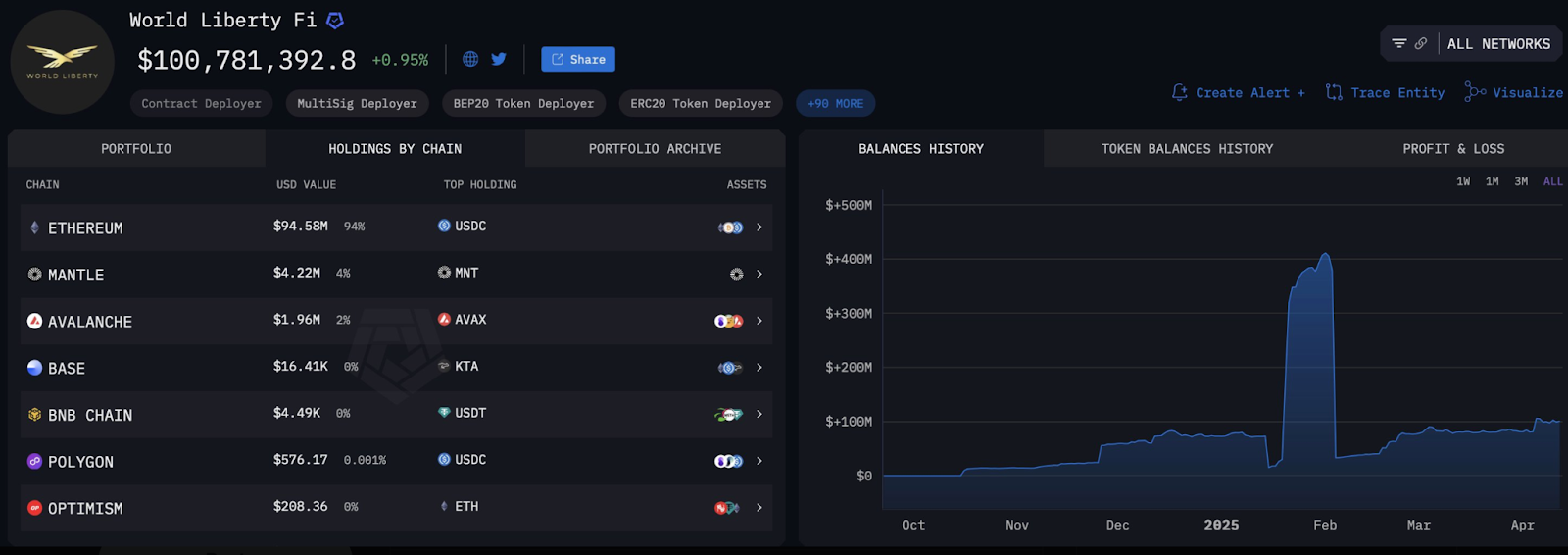
The fund’s largest holding was in USDC, further reinforcing Ethereum’s central role in stablecoin operations.
Despite weaker engagement from smaller holders, large-scale investors continued to bet on ETH. However, if price broke below $1,574, the network could face renewed sell pressure from wallets still in profit.
Disclaimer
In this article, the views and opinions stated by the author or any people named are for informational purposes only, and they don’t establish the investment, financial, or any other advice. Trading or investing in cryptocurrency assets comes with a risk of financial loss.




