
 Zerebro
 Bitcoin
 Quantus
 Pearl
Pearl Starknet
 ZKsync
 NEAR Protocol
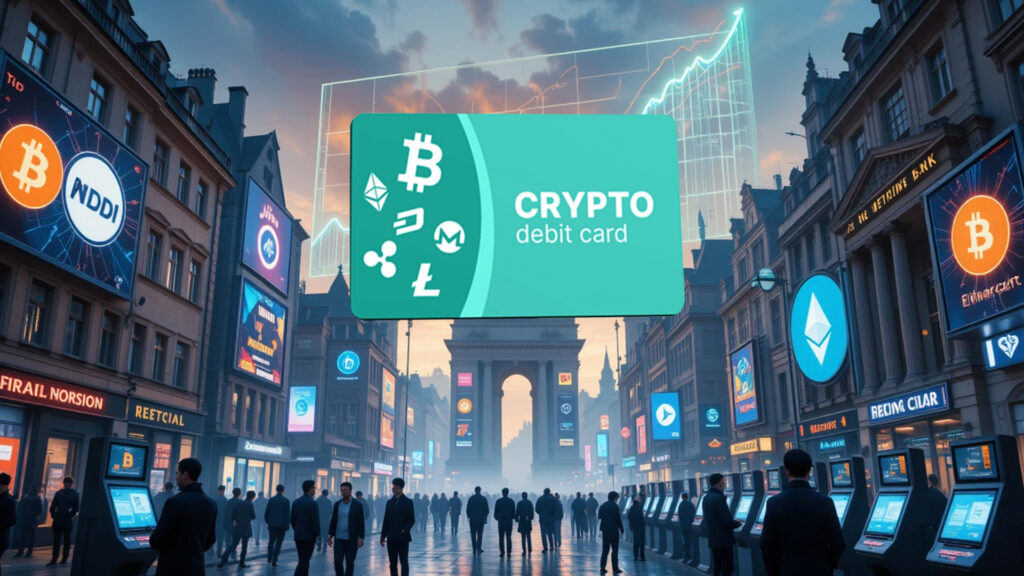
Key Highlights:
- Crypto cards now lead in everyday small purchases in Europe.
- Report shows growing use of digital assets for daily spending.
- Traditional banks are losing ground to flexible, crypto-linked payment options.
According to a recent report by the European Central Bank (ECB), there is a change in the amount Europeans spend. Crypto cards are already more popular than bank cards for making small daily purchases in some EU countries.
This is an indication of increasing familiarity with the utilization of digital assets in everyday activity. It also indicates the way in which the traditional banks gradually surrender to crypto-linked payment options.
Crypto Cards are Winning the Micro-Spending Game
In the ECB survey SPACE 2024, spending behaviour was observed within the eurozone. It was discovered that there is an increased number of individuals who utilise crypto cards to make micro-spending, the micro-transactions such as purchasing coffee, food or metro tickets.
Crypto.com, Binance, and Revolut all provide cards that allow the holders to make spending in crypto. These cards operate through converting online assets to euros during checkout.
That is, they are compatible with any store that accepts Visa or Mastercard and do not require any additional systems or support for crypto payments.
“Consumers are becoming more confident using crypto for everyday needs,” said Hannah Fischer, payments analyst at the ECB. “It’s not just about holding it anymore — people are starting to spend it.”
Why Users Prefer Crypto Cards
This increase has several possible causes. To start with, crypto cards provide good incentives, e.g. cashback in Bitcoin or a reduced fee. Most banks have reduced its loyalty programmes and this makes the crypto cards more attractive.
Second, traditional banking products are usually more restrictive than these cards. Crypto cards are more flexible and convenient to use by freelancers, and remote workers, who possibly have insecure income.
They are also accessible to digital wallets, such as Apple Pay or Google Pay, which is why they are suitable to be used by mobile-first users.
According to Lucas Meyer, 27, a Berlin resident who began using crypto cards last year instead of a conventional bank card, ”crypto cards seem more contemporary and suit me and individuals like me.”
Banks are Losing Territory in Everyday Purchasing
Even though banks remain the providers of huge transactions, crypto cards are getting more popular in the domain that the banks had monopolized. The small-value spending was considered to be a safe ground of bankers. This is all changing.
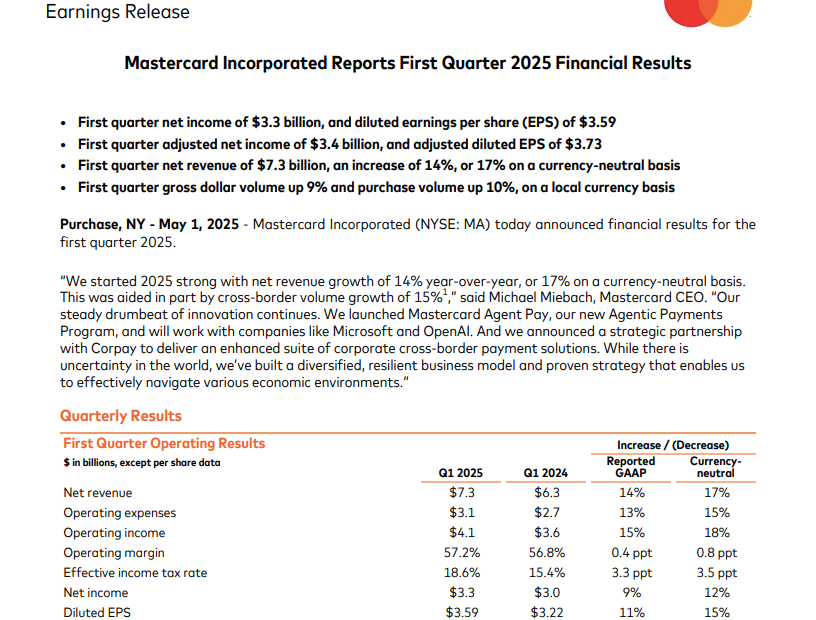
The Q1 2025 Coinbase earnings report reflected a 22 percent rise in the volume of crypto card transactions in Europe. Other crypto companies also experienced stable growth in this direction.
At the same time, payment service profits are dropping at some of this largest banks in Europe. Numerous organizations are investing in crypto collaborations, though things have been moving at a very slow pace.
“Banks are struggling to keep up with user expectations,” said fintech researcher Eva Dumas. “Crypto firms are innovating faster, especially in payments.”
Regulation Will Shape the Future
Soon, the European Union will establish clear requirements for crypto cards and wallets with the help of the MiCA regulation. The law is targeted to protect the consumer and provide fair competition with banks.
Crypto payment services will be regulated according to the standards required by traditional financial institutions. This involves improved security, clarity of charges, and enhanced customer relations.
Other analysts are of the opinion that these directives will enable the crypto cards to flourish even more. Some say the additional burden of compliance can hamper innovation.
Nevertheless, the transformation is evident since crypto is not exclusively a means of investment now. It is also turning into a real life instrument of expenditure of money day to day.
Disclaimer
This article is for informational purposes only and provides no financial, investment, or other advice. The author or any people mentioned in this article are not responsible for any financial loss that may occur from investing in or trading. Please do your research before making any financial decisions.




