Dacity Coin
 Pudgy Penguins
 Pearl
Pearl Pump.fun
 Bitcoin
 Monad
Monad Injective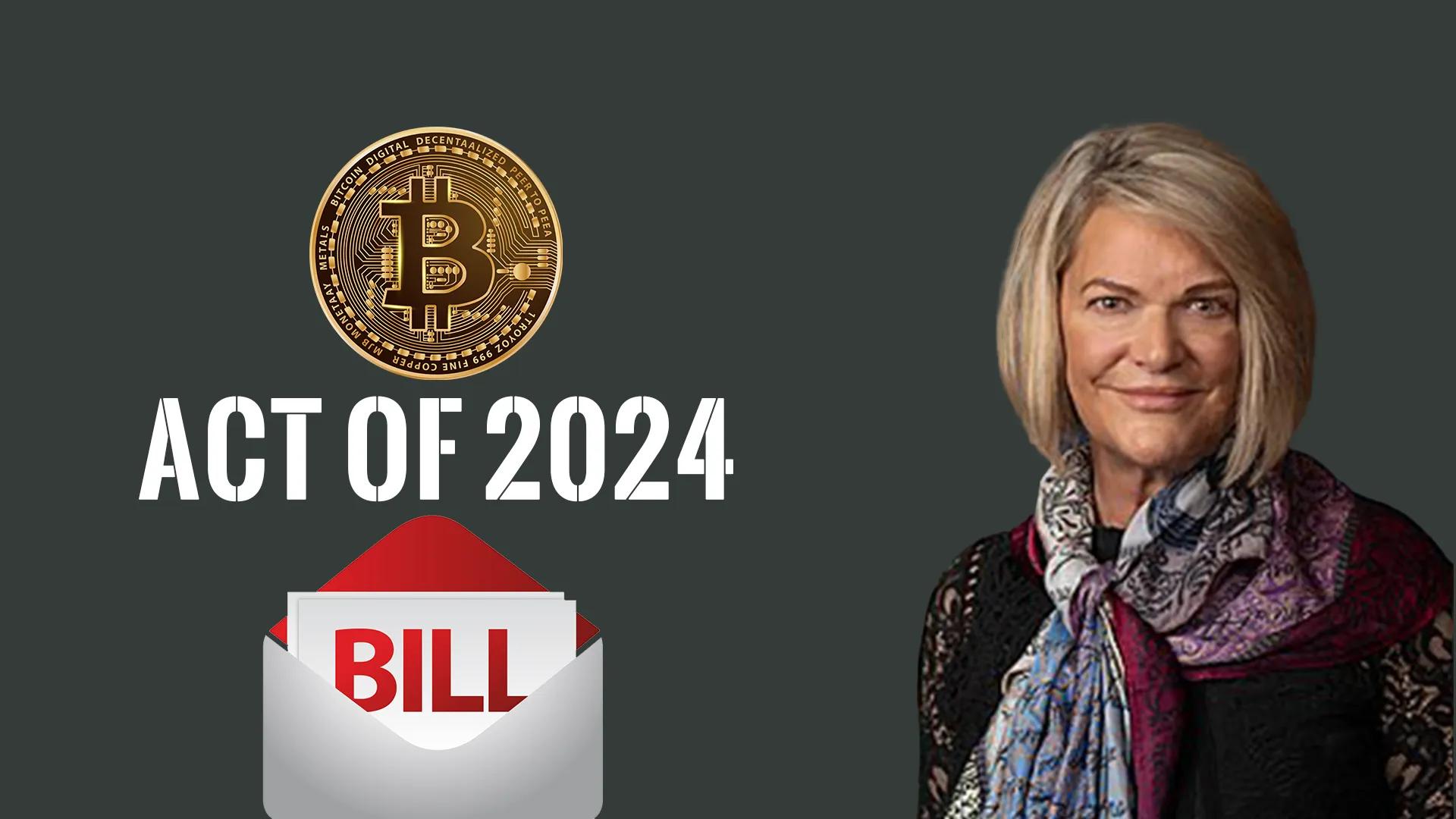
- This “Bitcoin Act of 2024″ bill includes the creation of a US Strategic Bitcoin Reserve. The bill has gained massive public support from American citizens pushing for adoption.
- Meanwhile, following Donald Trump’s victory, the Manhattan US Attorney’s office has scaled back its focus on prosecuting cryptocurrency-related cases.
The United States is taking significant steps toward integrating Bitcoin into its national financial framework. This step coincides with Bitcoin’s ongoing price discovery phase, which has already reached a new all-time high. Donald Trump’s presidential victory further fuels the optimism surrounding this move.
Senator Cynthia Lummis has introduced the “Bitcoin Act of 2024” in US Congress. It is currently in the early stages of the legislative process. The bill seeks to strengthen US finances amidst concerns over the national debt by establishing a US Bitcoin Reserve.
Under the proposal, the US government would acquire 1 million Bitcoins. That is roughly 5% of the total supply, holding it for at least 20 years.
At current market prices, this would amount to an investment of approximately $90 Billion. The plan has generated significant attention and debate within the cryptocurrency community.
The bill is known as US Bill S4912. It includes provisions that protect the rights and security of both individual and institutional Bitcoin holders. It explicitly prohibits the federal government from seizing Bitcoin, ensuring that digital assets are safeguarded under US law.
This legislative effort has signaled a broader push to incorporate digital currencies into federal economic strategies.
How US Citizens Are Advocating For Bitcoin Reserve Inclusion
The proposed bill by Senator Lummis outlines a plan for the US government to build a Strategic Bitcoin Reserve. The reserve acquires 200,000 Bitcoin each year for the next five years.
This would result in a total Bitcoin with an estimated value of $87 billion based on current market prices. This initiative marks a major commitment to investing in cryptocurrency at the federal level.
A rising grassroots movement across the US is pushing for the government to integrate Bitcoin into its official monetary policy. Over 120,000 letters sent to state legislators reflect this growing public demand. These letters have urged them to back the “Strategic Bitcoin Reserve” proposal.
The support for this initiative is widespread, with about 62,300 letters directed to Democratic lawmakers and over 60,500 to Republicans. This is highlighting broad bipartisan backing for this forward-thinking economic strategy.
The call for a Bitcoin Reserve is part of a broader movement, per Senator Lummis. This highlights Bitcoin’s role as a potential safeguard against inflation and a stabilizing force during periods of economic volatility.
Supporters believe incorporating Bitcoin into national reserves would protect the country’s financial stability. It will also solidify its leadership in the evolving digital economy.
Change in the enforcement of cryptocurrency-related cases
After a string of prominent cryptocurrency crime convictions, including the high-profile case of FTX founder Sam Bankman-Fried. The US Attorney’s Office in Manhattan has reduced its emphasis on crypto-related offenses. A senior prosecutor confirmed this shift on Friday.
The adjustment in focus aligns with the recent appointment of former SEC Chairman Jay Clayton. He has been selected as the US Attorney for the Southern District of New York. This was a move announced by President Donald Trump.
This change in priorities highlights the office’s success in securing major convictions within the cryptocurrency space. It is leading to a reallocation of resources as enforcement efforts evolve.
This shift in focus has sparked concerns about the future level of federal scrutiny over the fast-changing crypto market.
The crypto community is monitoring legislative changes, particularly with Senator Lummis‘s introduction of the “Bitcoin Act of 2024″. This proposed bill seeks to deepen the integration of cryptocurrencies into the US financial system.
The bill and the evolving regulatory landscape mark a crucial juncture for cryptocurrency regulation and enforcement in the US. This is signaling potential shifts in how digital assets are governed moving forward.
Disclaimer
In this article, the views, and opinions stated by the author, or any people named are for informational purposes only, and they don’t establish the investment, financial, or any other advice. Trading or investing in cryptocurrency assets comes with a risk of financial loss.