Wisp
Wisp Identity.md 6900
 Bunker Mode
 Crawlerpad
 Pearl
Pearl Claudia
 Pudgy Penguins
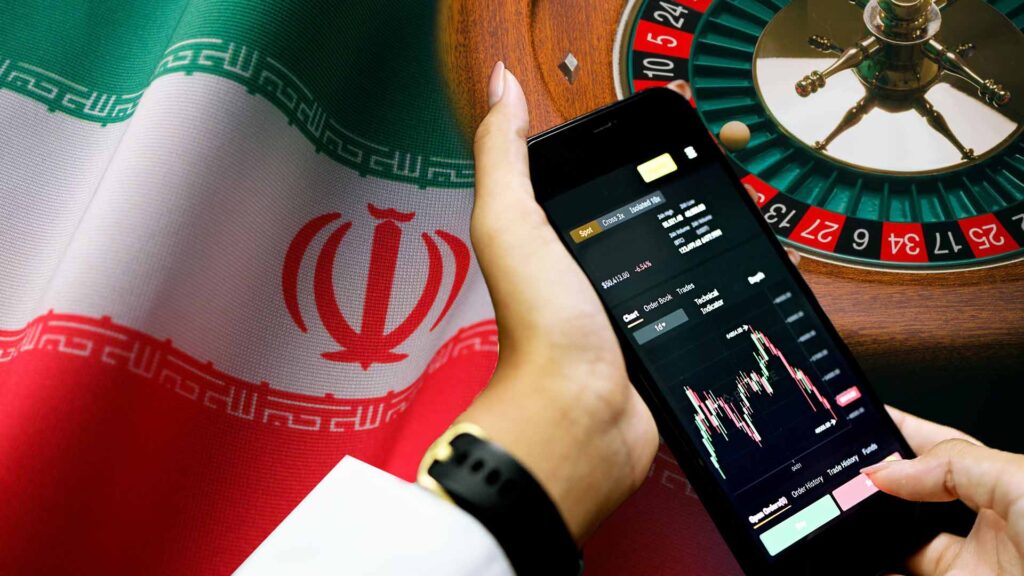
A Dubai-based crypto exchange allegedly processed at least $4 billion for an Iranian gambling and sanctions-evasion network. Shelbit connected more than 2,000 Farsi-language gambling sites with global crypto markets.
Blockchain investigators traced funds between Shelbit, Iran’s central bank, sanctioned entities, bitcoin miners, and Binance-linked addresses.
Dubai regulators have ordered Shelbit to stop all unlicensed virtual asset activity. Several people tied to the network denied involvement in money laundering, sanctions evasion, or Iranian state operations.
Crypto Exchange Shelbit Processed Billions Through Dubai
Shelbit began processing funds in May 2024 and handled at least $4 billion, blockchain data showed. The crypto exchange operated without a public-facing platform and no longer maintains an active website.
Its registered office sat above a budget hotel in Dubai’s Deira district. People working at that address said they had never heard of the company
Iranian expatriate Siavash Kayvanpour founded Shelbit and previously faced an illegal gambling case in Iran. Iranian courts convicted him in 2023 for assisting gambling operators Sasha Sobhani and Pooyan Mokhtari.
Shelbit processed at least $130 million for one gambling site linked to the wider network. Investigators also traced tens of millions of dollars from related betting platforms into Shelbit-controlled wallets.
Gambling Sites Connected to Iranian Payments
The gambling network included more than 2,000 websites offering slots, roulette, blackjack, and other online games. Sobhani and Mokhtari promoted several sites through social media accounts showing luxury cars, private jets, hotels, and parties.
Both men denied owning the platforms or knowing Kayvanpour and Shelbit. They also rejected claims linking their work to Iranian state institutions.
Iran bans gambling and punishes violations with prison terms and lashes. However, several network sites accepted payments through Iran’s tightly controlled banking system. Former Iranian officials said large gambling operations required access to domestic cards and electronic transfers.
Funds Reached Sanctioned Iranian Entities
Shelbit interacted with Iran’s central bank, the sanctioned Nobitex exchange, and wallets Israel linked to the Islamic Revolutionary Guard Corps.
Investigators also traced money from an Iranian bitcoin mining operation into Shelbit. The exchange processed at least $125 million tied to Iran’s central bank.
Investigators could not confirm whether the IRGC directly controlled Shelbit or the gambling network. They also could not determine where much of the crypto ultimately went.
Former Iranian insiders said the IRGC had taken control of major gambling businesses years earlier. They said the group used those sites to connect financial channels inside Iran with markets abroad.
Dubai Regulator Orders Crypto Exchange Shelbit to Stop
Dubai’s Virtual Assets Regulatory Authority had already acted against Shelbit for operating without a license in 2025. On July 24, VARA ordered the company to cease all unlicensed virtual asset activity.
The regulator cited money-laundering, terrorism-financing, and cross-border transaction concerns. It also began reviewing Kayvanpour and other people connected to the wider operation.
Blockchain data traced at least $676 million from Shelbit-linked addresses to Binance since May 2024. Binance said Shelbit never held an account on its platform.
The company said users connected to Shelbit triggered compliance reviews. Binance added that it froze relevant accounts and reported them to law enforcement.
The UAE said it follows strict international standards and works with partners against illicit financial flows. The U.S. Treasury Department said it knew about the allegations and treated them seriously. VARA’s notice did not name Sobhani or Mokhtari in its action.